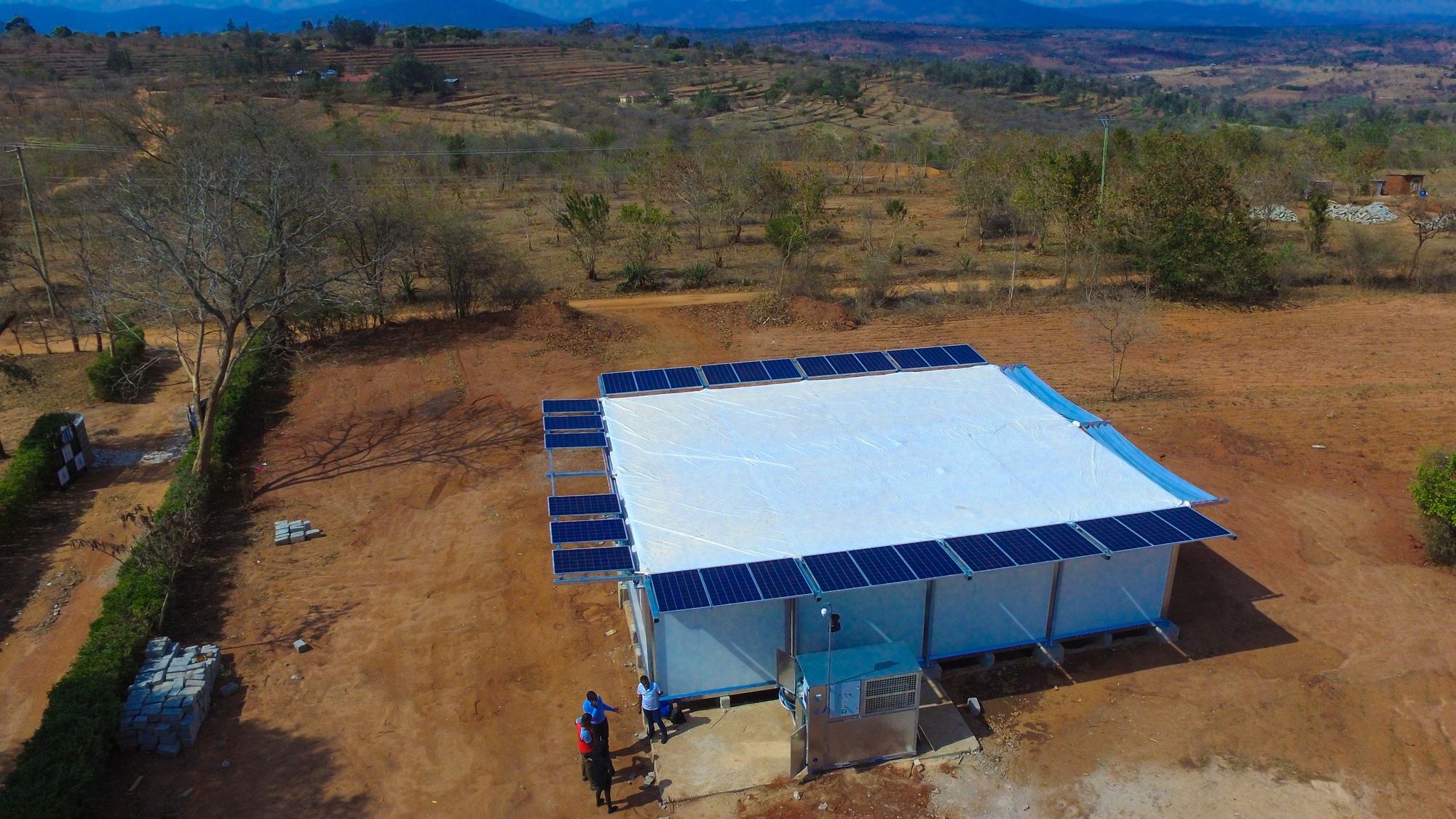

The Organised Transport and Allied Corporations Workers of America (OTACCWA) has called for accelerated investment in cold chain infrastructure to address persistent post-harvest losses and enhance food security across Nigeria. The appeal, made by the association’s leadership, underscores the critical role that temperature-controlled storage and transportation play in preserving agricultural produce and stabilizing food supply chains, particularly for perishable commodities such as tomatoes, vegetables, dairy, and meat products.
Post-harvest losses in Nigeria remain alarmingly high, with estimates suggesting that up to 40 per cent of agricultural produce is lost before reaching consumers due to inadequate storage, poor handling, and inefficient transportation. These losses represent not only wasted food but also squandered agricultural inputs, labour, and capital that could otherwise contribute to household incomes and national food supply. For smallholder farmers who lack access to cold storage facilities, the pressure to sell immediately after harvest often results in market gluts that depress prices, followed by scarcity and price spikes during off-seasons.
The OTACCWA’s intervention highlights the intersection between transportation infrastructure and agricultural productivity. Cold chain logistics—comprising refrigerated trucks, cold storage warehouses, and temperature-controlled distribution centers—enables produce to move from farms to markets over longer distances and extended timeframes. This capability allows farmers to access broader markets, reduces spoilage, and helps stabilize prices by smoothing supply throughout the year. For a country that experiences seasonal price volatility driven by post-harvest losses and supply chain disruptions, cold chain development represents a structural solution with significant economic implications.
From an economic perspective, investments in cold chain infrastructure generate multiple returns. For farmers, reduced losses translate directly into higher effective incomes without requiring expansion of cultivated area. For consumers, stable supply reduces exposure to price shocks that strain household budgets. For the broader economy, cold chain development creates employment in logistics, maintenance, and operations, while supporting the growth of processed food industries that require reliable temperature-controlled inputs. The sector also presents opportunities for domestic manufacturing of refrigeration equipment, reducing reliance on imports and supporting local industrial capacity.
The cold chain gap is particularly acute in rural areas where agricultural production is concentrated. Many farming communities lack access to even basic cold storage facilities, forcing farmers to sell immediately at whatever price buyers offer. The absence of refrigerated transport means that produce traveling to urban markets faces spoilage risks that increase costs and reduce quality. Addressing these gaps requires coordinated investment by private sector actors, development finance institutions, and government agencies, with the potential for public-private partnerships to de-risk early-stage investments.
The OTACCWA’s involvement reflects the transport sector’s recognition of its role in the agricultural value chain. As an association representing workers in transportation and allied sectors, its advocacy for cold chain infrastructure signals alignment between labour interests and broader economic development objectives. The development of specialized logistics services creates opportunities for workforce training, skills development, and the formalization of employment in the transport sector.
Policy support for cold chain development has been gaining momentum. The federal government’s agricultural transformation agenda has identified post-harvest loss reduction as a priority, with various interventions aimed at improving storage infrastructure. However, the scale of investment required far exceeds current commitments. Cold chain facilities require significant capital expenditure, with costs that can be prohibitive for individual farmers or small cooperatives. Aggregation models—where groups of farmers share access to centralized storage—offer one pathway, but these require organizational capacity and financing mechanisms that are not always available.
The timing of the OTACCWA’s call coincides with broader concerns about food security following inflationary pressures and supply chain disruptions in recent years. As households allocate larger shares of income to food, reducing waste and stabilizing supply becomes both an economic imperative and a social protection measure. Cold chain development offers a concrete intervention with measurable impacts on both fronts.
For Nigeria to realize the full potential of its agricultural sector, addressing the cold chain gap is essential. Without reliable temperature-controlled logistics, efforts to boost production risk being undermined by post-harvest losses that erode returns and limit market access. The OTACCWA’s advocacy brings attention to a critical infrastructure gap that, if addressed, could transform the economics of perishable agriculture and strengthen food security for millions of Nigerians.