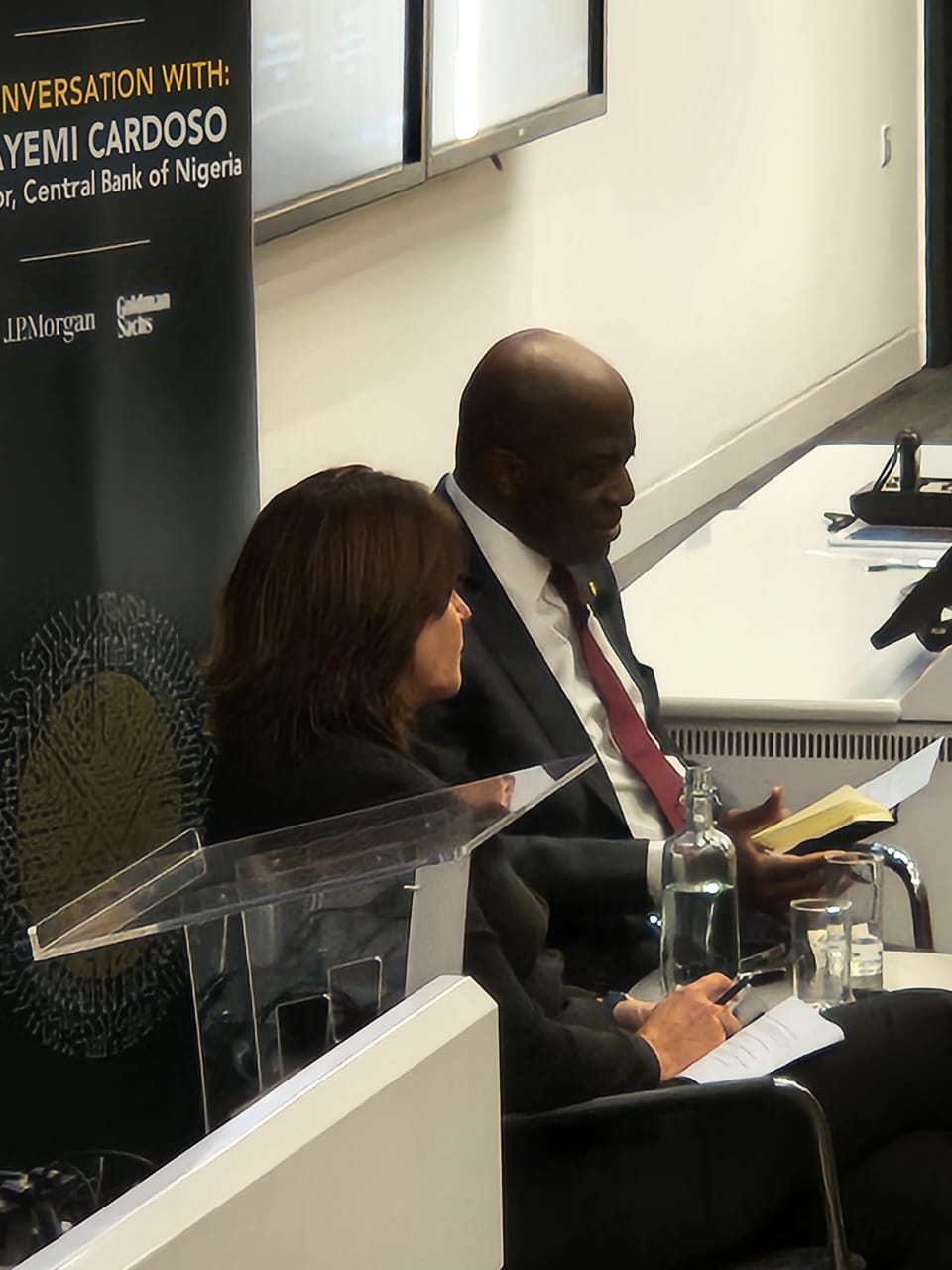

In a stirring appearance at the London Business School, Central Bank of Nigeria (CBN) Governor Yemi Cardoso offered both candor and optimism as he outlined the bank’s bold course through one of the most challenging macroeconomic eras in the nation’s history. Cardoso, speaking during a fireside chat moderated by leading economist Helene Ray, showcased not just technical expertise but a deep sense of public duty and genuine hope for Nigeria’s economic resurgence.
Embracing Technology for a Stronger Future
Cardoso’s remarks signaled a Central Bank determined to adapt, as he revealed that the CBN is now leveraging artificial intelligence to enhance monetary policy forecasting. Recognizing the pitfalls and potential of new technology, he referenced recent international missteps, urging a balanced, careful approach that places accuracy ahead of blind adoption. His conviction was clear: technology, if wisely managed, could help lay the groundwork for much-needed stability.
Tough Decisions in the Face of Crisis
The governor painted a frank picture of where Nigeria found itself just two years ago—multiple exchange rates, a battered currency, and a backlog of billions in unmet foreign exchange commitments. There was, Cardoso reflected, widespread doubt both at home and abroad. Yet he and his team resolved to act decisively, unifying exchange rates and deepening the foreign exchange market, even as these moves risked short-term hardship such as devaluation and inflation spikes. “Our job is to ensure there is stability,” Cardoso said, making no apology for reforms that may have come later than ideal—he is steadfast that the time for action is now.
Restoring Trust and Transparency
At every turn, Cardoso emphasized transparency as more than a buzzword: it is the core of his monetary philosophy. Whether speaking about the foreign exchange market, the bond market, or banking sector reforms, Cardoso insisted that fair price discovery and open participation are essential. He rejected quick fixes and made it clear that banks unable to meet new capitalization requirements will have fair options but no indefinite extensions—tough love for a healthier system.
Inflation: Hard Choices for Long-Term Relief
Candid about high interest rates and stubborn inflation, the governor expressed empathy for all Nigerians feeling the strain. But he appealed for patience, underscoring that these difficulties are the price of restoring the kind of economic credibility that will attract long-term investment, build jobs, and open opportunities. The goal remains unchanged: single-digit inflation and renewed, broad-based growth.
Looking Forward: Hope, Reform, and Opportunity
Perhaps most striking was Cardoso’s optimism. With the worst of the crisis receding, the CBN now sees early signs of recovery: gross reserves are recovering, trade balances are improving, and foreign investments are beginning to flow back. The governor’s message was clear—while the journey is not over, Nigeria’s path is brighter thanks to reforms that have been both difficult and essential.
In a world of uncertainty, Cardoso’s steady resolve and unwillingness to sugarcoat the facts offer both reassurance and inspiration. For investors, entrepreneurs, and everyday Nigerians, the sense was palpable: the Central Bank, under Cardoso’s care, is working tirelessly—and with heart—to shepherd Nigeria toward lasting stability and prosperity.