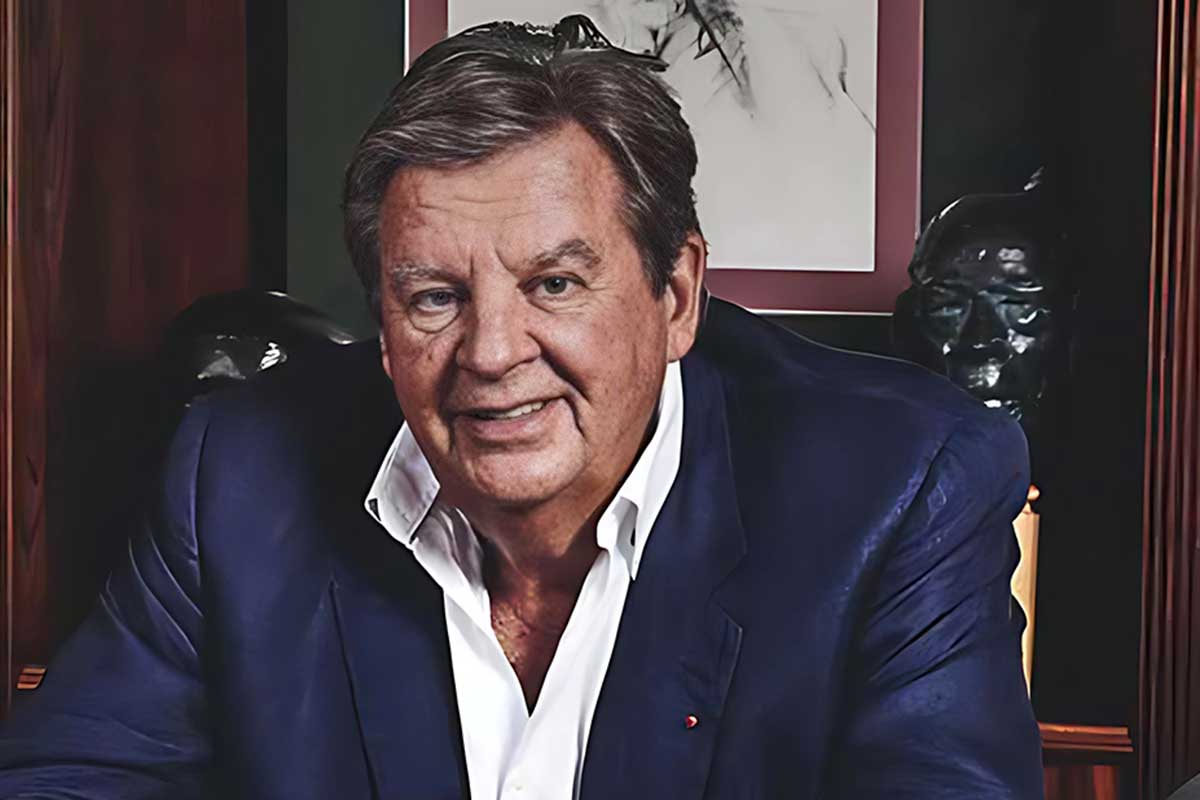

South African luxury goods magnate Johann Rupert has hit a significant legal roadblock in his decade-long resistance against the fiscal reassessment of his Leopard Creek estate. A statutory appeals tribunal recently upheld a $77 million (approximately R1.3 billion) municipal valuation of the elite Mpumalanga property, marking a decisive win for the Nkomazi Municipality.
The ruling serves as a high-profile case study in the tension between ultra-high-net-worth individuals (UHNWIs) and local governments seeking to maximize revenue from premium real estate assets to fund regional development.
The core of the dispute rests on fundamentally different philosophies of property value. Management for Leopard Creek, which spans 360 hectares and hosts the prestigious Alfred Dunhill Cup, argued for a valuation as low as $20 million. Their experts suggested the estate’s niche nature and high operational costs limited its marketability.
Conversely, the municipality’s appraisers focused on the “willing buyer, willing seller” principle, citing the estate’s 251 residential plots and world-class Gary Player-designed golf course as unique assets with immense market pull. By siding with the municipality, the tribunal has signaled that the intrinsic “prestige value” of billionaire-backed developments is a fair metric for public taxation, regardless of the owner’s private infrastructure investments.
Infrastructure Independence and the “Scam” Accusation
For the business community and government planners, the case highlights a growing trend of “off-grid” luxury developments. Rupert has been vocal about the fact that Leopard Creek provides its own roads, water, and electricity, leading him to characterize the municipality’s aggressive valuation as an attempt to “scam” investors who are already performing the state’s role.
From a civilian perspective, this raises critical questions about social equity: should a private estate be taxed based on its total market value to support the broader district, or should it receive “tax credits” for the municipal services it does not consume? The outcome of this battle may dictate how future luxury tourism hubs and “smart cities” are integrated into the South African fiscal framework.
The fallout of this ruling extends beyond a single tax bill. Rupert has previously suggested that such aggressive municipal maneuvers could stifle his ambitions to build additional hotels and infrastructure in the region near Kruger National Park. For the Nkomazi Municipality, while this is not a sudden revenue windfall as the estate has continued to pay its rates during litigation, it provides a stable, higher baseline for future budgeting. However, the victory comes with the risk of cooling the investment climate among the global elite. With Leopard Creek signaling intent to challenge the decision yet again, the saga remains a symbol of the complex, often litigious relationship between Africa’s wealthiest citizens and the administrative bodies tasked with taxing them.