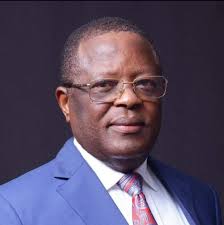

Minister of Works, Sen. David Umahi, has reaffirmed that the ongoing road connectivity projects across the nation represent a central pillar of President Bola Ahmed Tinubu’s infrastructure feat to rebuild Nigeria’s primary transport corridors. Speaking on Saturday, March 14, 2026, during an inspection of federal road projects in Afikpo, Ebonyi State, the Minister emphasized that the administration is committed to deploying durable, long-term solutions to the country’s historic infrastructure deficit.
The structural and engineering consequence of this new direction is the full adoption of concrete pavement technology. Umahi stated that the use of concrete has become a permanent standard in Nigerian road construction because of its superior durability, noting that these roads are engineered to last up to 100 years. This shift is particularly evident in the strategic highway projects currently cutting through the Southeast, which are designed to withstand heavy industrial and agricultural traffic more effectively than traditional asphalt.
Analytically, a key highlight of the inspection was the first section of a massive connectivity project covering 125.5 kilometres. With a total contract value of approximately ₦454 billion, the project has already seen the release of 30 percent of its funding by the Federal Government. This road is designed to link the Lagos–Calabar Coastal Highway, creating a continuous economic artery that starts in Calabar and passes through Ndibe Beach, Afikpo, Amasiri, and Onueke before eventually connecting to national highways leading to Abuja.
The impact on “Regional Integration and Economic Zones” remains a vital dimension of the Minister’s tour. Umahi inspected the 1.5-kilometre bridge at Ndibe Beach, expressing satisfaction with the sophisticated launching system being used to move cranes from pier to pier. Once completed, the bridge will provide a vital link for riverine communities, facilitating easy transit to Cross River State and opening up access to fishing settlements, agricultural hubs, and emerging industrial zones across the region.
Furthermore, the Minister extended his inspection to the flyover bridge construction at Onueke in Ezza South Local Government Area. He noted that these strategic interventions are not isolated projects but are part of a coordinated national plan to integrate the southern regions with the federal capital. By linking rural and coastal areas to major urban centers, the administration aims to stimulate local economies and reduce the cost of transporting goods across the country.
The long-term outlook for Nigeria’s transport network suggests a transition toward a more resilient and interconnected system. As the Federal Ministry of Works continues to prioritize concrete technology and strategic coastal-to-inland links, the focus remains on ensuring that the multi-billion naira investments translate into tangible economic growth. For the people of Ebonyi and the wider Southeast, these projects promise to end decades of isolation and turn the region into a critical hub for national trade.