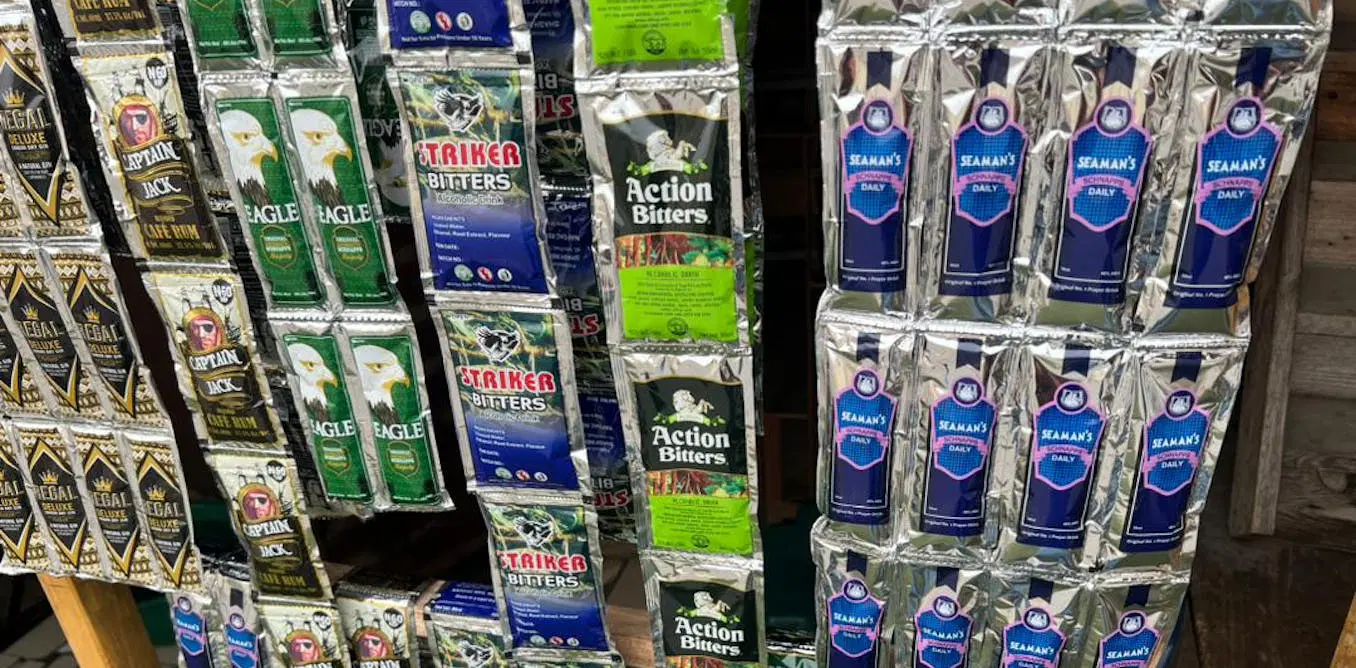

The National Orientation Agency, in partnership with the National Agency for Food and Drug Administration and Control and the Federal Competition and Consumer Protection Commission, has launched a nationwide campaign to enforce the Federal Government’s ban on sachet alcohol and alcoholic drinks sold in bottles below 200 millilitres.
The campaign was flagged off on March 3 and publicised through NOA’s official channels as part of a broader push to curb underage drinking and harmful alcohol consumption.
The ban, announced earlier by NAFDAC, took effect on January 1, 2026 and covers alcoholic beverages packaged in sachets as well as PET and glass bottles smaller than 200ml. Authorities say the policy is intended to reduce easy access to high-concentration alcohol, especially among minors and other vulnerable consumers.
At the flag-off, NOA Director-General Lanre Issa-Onilu said the three agencies were aligning regulation, consumer protection and public sensitisation to ensure the policy delivers its intended public health impact. He described the campaign as a joint stand for the health, safety and protection of Nigerian consumers, adding that the agency would continue to drive awareness, compliance and responsible citizenship.
NAFDAC Director-General Mojisola Adeyeye said the rapid growth in alcohol production, importation and consumption over recent decades had become a major concern, particularly among younger Nigerians. She said restricting small pack sizes would make it harder for minors to obtain alcohol because sachets and small bottles are cheaper, easier to conceal and more accessible.
Adeyeye cited survey findings suggesting that about half of minors and underage consumers patronise retailers selling alcohol in sachets and PET bottles below 200ml, and argued that the restriction is necessary to protect children and reduce harmful drinking patterns. She linked underage alcohol use to wider social and behavioural risks, including poor academic outcomes and other public health concerns.
The renewed campaign signals that the government is moving from policy announcement to active enforcement, with NOA expected to lead public education, NAFDAC to drive regulation and compliance, and FCCPC to monitor consumer protection and market conduct. The agencies say sustained awareness and vigilance will be essential to making the ban effective nationwide.