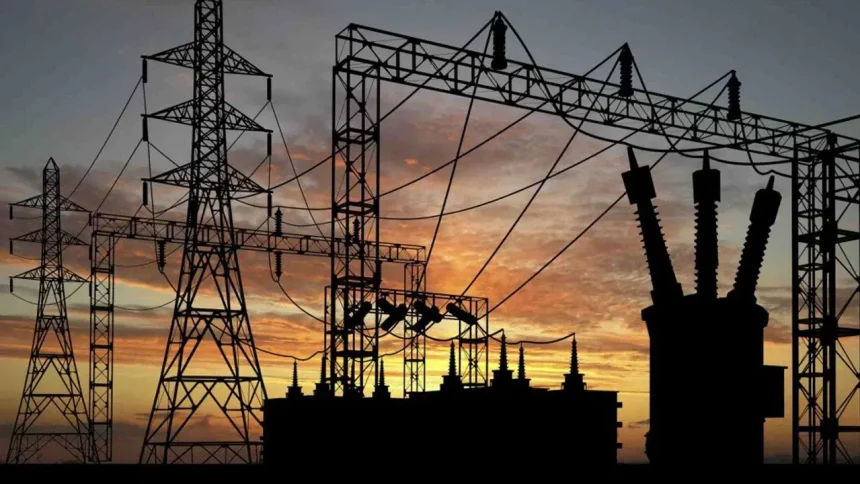

Nigerians face the prospect of worsening electricity supply as gas suppliers have threatened to halt deliveries unless part of the outstanding ₦3.3 trillion debt owed to them is settled, according to the Association of Power Generation Companies. The warning underscores the deepening financial crisis in the power sector, where mounting obligations across the value chain are now directly constraining generation capacity.
Dr Joy Ogaji, Chief Executive Officer of the Association of Power Generation Companies, disclosed that gas suppliers have made it clear they cannot continue supplying without payment. “Gas is not available because the gas suppliers have told us that if we need gas, we need to put money on the ground to get gas in the pipe. We owe them a lot of money,” Ogaji stated during an interview.
The national grid is currently generating approximately 3,334 megawatts of electricity, largely due to insufficient gas supply. Nigeria’s power sector depends predominantly on gas-fired plants, and any disruption in fuel availability directly affects electricity supplied to the grid.
Ogaji also revealed that the Federal Government’s total debt to power generation companies had reached ₦6.8 trillion as of February 2026. She explained that from 2015 to December 2024, the debt profile grew to ₦4 trillion, with monthly shortfalls of ₦200 billion throughout 2025 adding another ₦2.4 trillion. The debt continued rising into 2026.
The crisis has left households and businesses struggling with unstable power supply since December 2025, forcing many to rely more heavily on generators. However, fuel costs have surged, with petrol now selling for over ₦1,100 per litre and diesel at about ₦1,600 per litre, driven by rising global crude prices amid Middle East tensions.
Responding to the development, Minister of Power Adebayo Adelabu said through his spokesperson that the issue is being handled jointly with the Minister of State for Petroleum (Gas), Ekperikpe Ekpo.