
German automobile giant Volkswagen is planning a major workforce reduction as it attempts to control rising costs and improve financial performance. The company intends to eliminate about 50,000 jobs in Germany by 2030 as part of a broader restructuring strategy designed to save roughly 15 billion euros annually.
The decision follows a difficult financial period for the carmaker. In 2025, the group’s profit dropped sharply, falling about 44 percent to 6.9 billion euros, its weakest result since the diesel emissions crisis nearly a decade ago. This decline has forced the company to reassess its cost structure and long term competitiveness in a rapidly changing global automobile market.
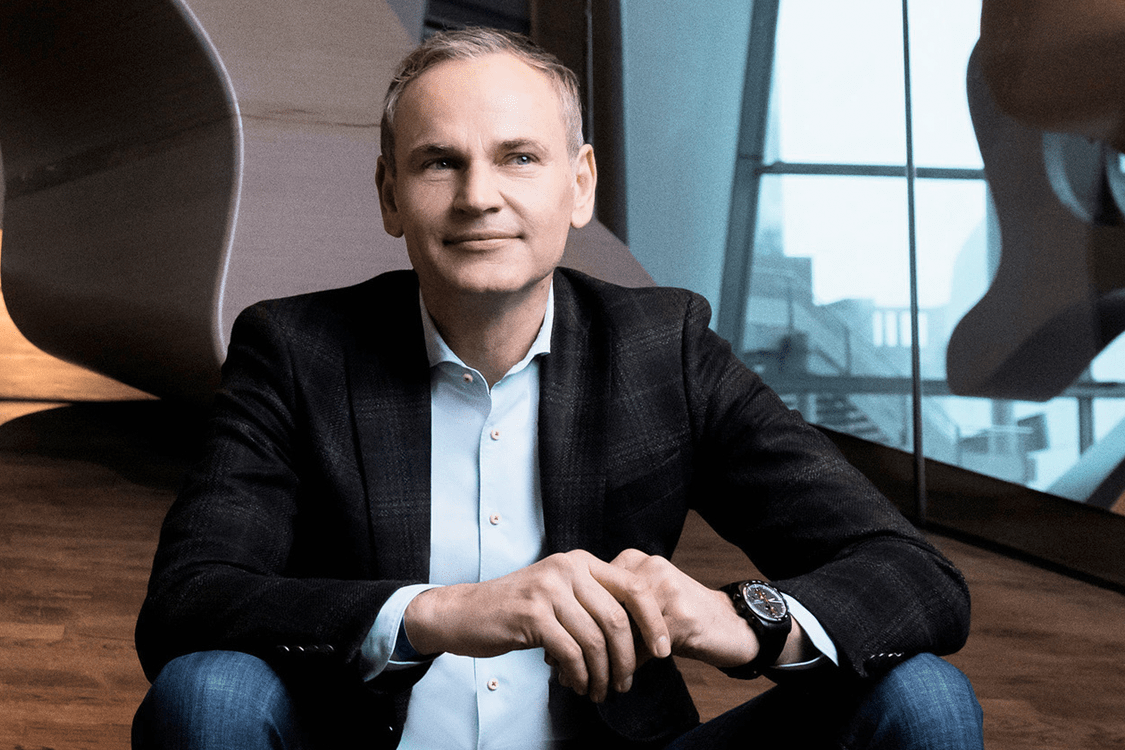
In a message to shareholders, the company’s chief executive, Oliver Blume, explained the scope of the planned cuts. He stated that “In total, around 50,000 jobs are due to be cut by 2030 across the Volkswagen Group in Germany.”
The proposed reductions extend earlier cost saving plans. In 2024, the company reached an agreement with labour unions to gradually remove about 35,000 positions by the end of the decade. The new plan expands that restructuring effort and may affect several divisions across the group.
The restructuring will not be limited to the main Volkswagen brand. Other subsidiaries such as Audi and Porsche, as well as the group’s software arm Cariad, are expected to experience workforce reductions as the company seeks operational efficiency.
Multiple pressures have combined to weaken the company’s financial position. Demand in Europe has remained largely stagnant, while competition in China, the world’s largest automobile market, has intensified. Chinese electric vehicle manufacturers have expanded rapidly, challenging established European brands.
Trade tensions have also complicated the outlook for the carmaker. Tariffs imposed by the United States on foreign vehicles have reduced the attractiveness of certain export markets. At the same time, global economic instability and energy costs have increased operational expenses for manufacturers across Europe.
Another challenge lies in the costly transition to electric vehicles. Automakers are investing heavily in new technology, yet demand for electric cars has not grown as quickly as expected in some markets. This has created pressure on profit margins because electric vehicles often generate lower returns compared with traditional petrol powered cars.
Despite these challenges, Volkswagen is attempting to reposition itself for long term competitiveness. The company is preparing a large scale product overhaul and intends to improve efficiency across its global operations. Executives believe tighter cost control and structural adjustments are necessary if the group is to restore profitability and defend its market share.
The restructuring plan therefore reflects a broader transformation within the global automotive industry. As traditional carmakers confront new technological demands, shifting consumer behaviour and intensifying competition, companies like Volkswagen are increasingly forced to rethink their workforce size, production strategy and long term business model.