
Seventy young Nigerians have successfully completed the NLNG Train 7 Project Human Capacity Development Basic Training Programme, marking another milestone in efforts to build a highly skilled workforce for the country’s oil and gas industry.
The graduates completed an intensive one-year training programme focused on Data Analysis and Supply Chain Management, equipping them with practical knowledge and professional skills needed to thrive in today’s competitive energy sector.
The initiative forms part of Nigeria LNG Limited’s (NLNG) broader commitment to developing local talent and ensuring that young professionals are prepared to contribute effectively to the nation’s economic growth and industrial development.
Beyond their primary areas of study, the participants received training in several key fields that support the oil and gas industry. These included Health, Safety and Environment (HSE), Information Technology, Business Management, Document Management, Nigerian Content awareness, and practical workplace experience through on-the-job training.
The combination of technical expertise and hands-on industry exposure was designed to prepare the graduates for real-world challenges while improving their employability across different sectors of the economy.
Speaking during the graduation ceremony, NLNG’s General Manager for External Relations and Sustainable Development, Sophia Horsfall, described the programme as proof of the impact strategic investment in human capital can achieve.
She said the graduates had acquired not only technical knowledge but also the discipline, professionalism, and character required to excel in their careers. Horsfall encouraged them to view themselves as beneficiaries of a national investment and to apply their knowledge responsibly in their chosen professions.
According to her, the trainees began the programme as candidates but have now emerged as professionals ready to contribute meaningfully to Nigeria’s development.
Also speaking at the event, the Project Director of the NLNG Train 7 Project, Ali Uwais, praised the collaboration between NLNG and the Nigerian Content Development and Monitoring Board (NCDMB).
He noted that the programme has played a significant role in addressing skills shortages within the oil and gas industry. Uwais revealed that a total of 401 participants have now been trained through both Batch 1 and Batch 2 of the programme, significantly expanding the pool of industry-ready professionals available to support Nigeria’s energy sector.
He urged the graduates to embrace innovation and lifelong learning, stressing that technology continues to reshape the global energy industry.
Uwais also commended the Oil and Gas Trainers Association of Nigeria (OGTAN) for maintaining high training standards and ensuring that participants acquired the competencies required by employers.
Representing the Executive Secretary of the NCDMB, Alexis Emelle, the Board’s General Manager for Human Capacity Development, highlighted the importance of the programme in advancing Nigerian content development.
She explained that the training initiative reflects the successful implementation of the Board’s Human Capital Development Guideline, which encourages major oil and gas projects to invest in the training and empowerment of Nigerians.
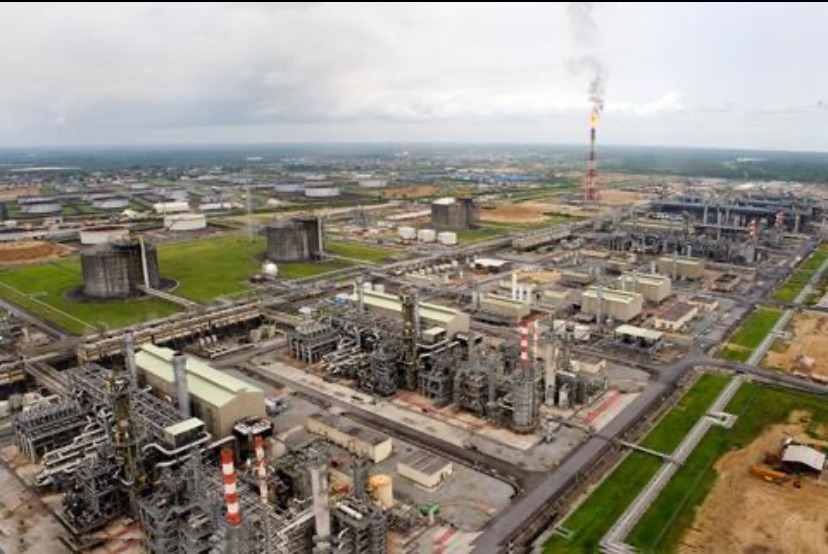
Emelle added that the Train 7 Project, one of Africa’s largest gas infrastructure developments, has created opportunities for young Nigerians to gain advanced technical and managerial skills while receiving practical experience on a live LNG project.
With the graduation of 70 trainees in Batch 2, the programme officially comes to a close, bringing the total number of beneficiaries to 401.
Industry stakeholders believe the initiative will further strengthen Nigeria’s talent pool, reduce skills gaps, and support the long-term growth of the country’s oil and gas sector while creating more opportunities for young professionals.