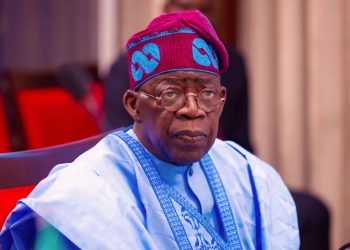

In a swift administrative overhaul, Governor Siminalayi Fubara of Rivers State has appointed a new Secretary to the State Government (SSG) and a new Chief of Staff, effectively reshaping the core of his executive team. In a statement released on Thursday, February 26, 2026, the Governor named Dr. Dagogo S.A. Wokoma as the SSG and Barrister Sunny Ewule as the Chief of Staff to the Government House in Port Harcourt.
The political and structural consequence of this move is the total consolidation of the Governor’s inner circle. The announcement, signed by the Chief Press Secretary, Onwuka Nzeshi, confirmed that both appointments took effect immediately, with a swearing-in ceremony scheduled for 2:00 p.m. at the Executive Council Chamber. This abrupt change comes alongside a broader purge of the state’s leadership, as Governor Fubara has also dissolved his cabinet of eight commissioners and dismissed all Special Advisers.
Analytically, the timing and scale of these dismissals suggest a final push for administrative independence within the state’s fractured political landscape. While no official reason was provided for the removal of the previous office holders, the wholesale dissolution of the cabinet and the replacement of the SSG the “engine room” of the government indicates a strategic pivot toward a more loyal or streamlined executive council. This reset allows the Governor to bypass the legacy influences of the previous administration and install a team directly aligned with his current policy direction.
The impact on “Governance and Regional Stability” is a vital dimension of this unfolding story. Rivers State has faced persistent political friction over the past year, and this clean slate is viewed by many as a “tactical reset.” By appointing a seasoned academic like Wokoma and a legal professional like Ewule, the Governor appears to be prioritizing institutional stability and legal compliance as he prepares to navigate the remaining years of his first term.
Furthermore, the dismissal of all Special Advisers indicates a move to cut down on administrative overhead or to purge redundant roles that may have been part of previous political compromises. As the new appointees take their oaths of office, the focus in Port Harcourt shifts to who will be named to the newly vacant commissionerships and how these changes will affect the delivery of public services and the implementation of the state budget.
The long-term outlook for Rivers State depends on how quickly Governor Fubara can reconstitute his cabinet and whether these new appointments can foster a more harmonious relationship between the executive and other arms of government. For now, the “Special Government Announcement” marks a definitive end to the old guard and the beginning of a new administrative chapter for the state.