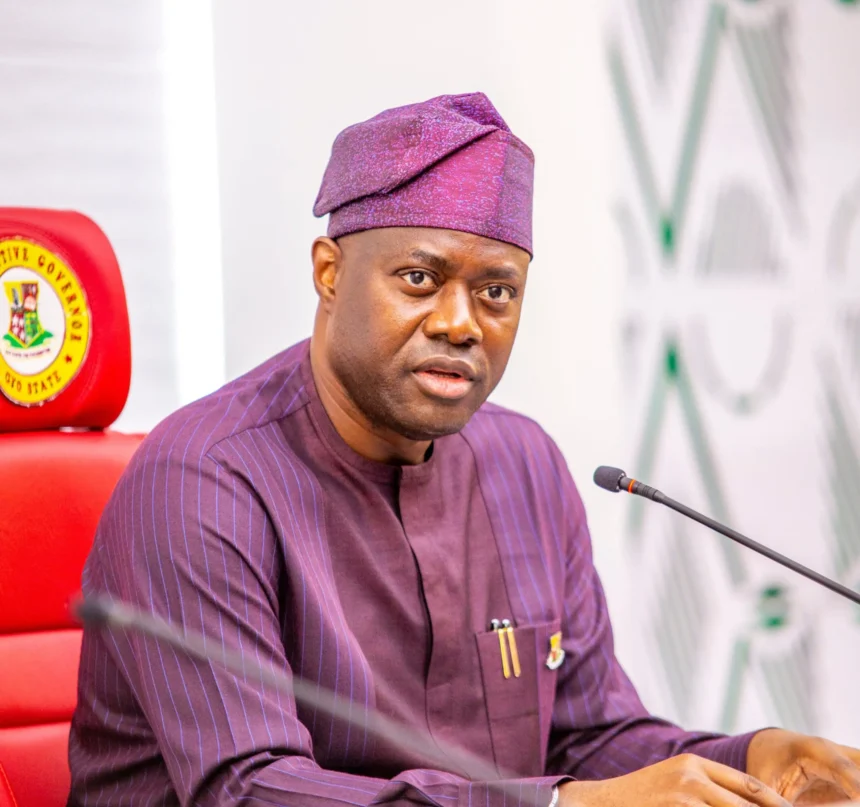

In a major milestone for educational reform, Governor Seyi Makinde of Oyo State announced on Wednesday, February 25, 2026, that approximately 65,000 out-of-school children have been successfully reintegrated into the state’s formal school system. Speaking during a courtesy visit from the World Bank and the Universal Basic Education Commission (UBEC) at the State Secretariat in Agodi, Ibadan, the Governor credited the achievement to sustained institutional partnerships and targeted funding.
The educational and structural consequence of this progress is largely attributed to the Better Education Service Delivery for Additional Financing (BESDA-AF) intervention program. Governor Makinde noted that the initiative has provided the necessary framework to improve literacy levels and enhance the overall quality of basic education across the state. By addressing the “out-of-school” crisis, the administration aims to curb long-term poverty cycles and improve the state’s human capital index.
Analytically, the Governor emphasized that his administration remains committed to securing additional funding cycles by meeting all necessary structural and resource requirements. He invited the delegation led by UBEC National Programme Coordinator Mr. Mayowa Aleshin and World Bank Team Lead Mr. Shinsaku Nomura to provide candid feedback following their field inspections. Makinde stressed that his government is prepared to implement any recommendations that could lead to “significant improvements” in the current delivery model.
The impact on “Governance and International Partnership” is a vital dimension of this mission. Mr. Nomura lauded the Governor’s efforts in reforming the sector, particularly in providing inclusive access to quality education at all levels. The presence of the state’s top hierarchy including Deputy Governor Barr. Bayo Lawal and SSG Prof. Musibau Babatunde underscored the high priority the administration places on educational intervention as a pillar of its “Sustainable Development” agenda.
Furthermore, the collaboration between the state and federal agencies like UBEC highlights a synchronized approach to tackling Nigeria’s broader educational challenges. Mr. Aleshin confirmed that the team’s mission is to evaluate the practical implementation of the BESDA-AF project on the ground, assess any lingering challenges, and provide a roadmap for future interventions.
The long-term outlook for Oyo State’s education sector depends on the government’s ability to retain these 65,000 students in the classroom while expanding infrastructure to accommodate more. With the Governor pledging to “take the feedback seriously,” the state appears positioned to leverage international support to further reduce its numbers of marginalized learners. For now, the successful return of tens of thousands of children to school marks a significant victory for the “Omituntun” educational roadmap.