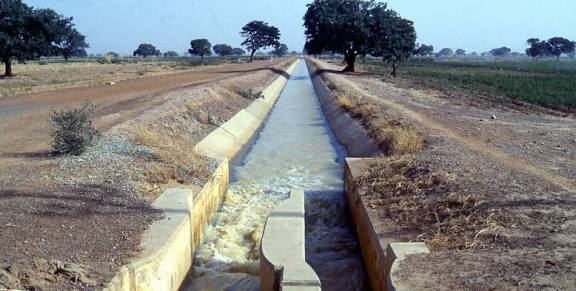

A severe bird infestation has destroyed more than 250 hectares of staple crops at the Bakalori Irrigation Scheme in Zamfara State, dealing a significant blow to off-season farming and raising concerns about grain supplies across northwestern Nigeria.
The widespread crop damage has affected more than 1,500 farmers operating within the irrigation scheme, according to the Bakalori Water Users Association. The Zamfara State Ministry of Agriculture has also confirmed the incident and acknowledged the scale of the losses.
The Bakalori Irrigation Scheme is one of the region’s key agricultural assets, supporting year-round cultivation of staple crops through controlled irrigation. The scheme plays an important role in boosting food production during the dry season and supplies grains to regional markets, helping stabilize availability outside the traditional harvest period.
Agriculture analysts say the destruction of crops at such a critical production hub could tighten grain supplies in the coming months, particularly if replacement planting is not possible. Reduced market arrivals may place additional pressure on the prices of staple foods, which remain elevated as households continue to grapple with persistent food inflation.
The latest incident also highlights the growing threat environmental pests pose to Nigeria’s agricultural sector. Bird invasions have long challenged grain producers across northern states, particularly during the maturity stage of cereal crops, where large flocks can destroy substantial portions of harvests within a short period.
State authorities have initiated bird control measures in an effort to limit further destruction and protect remaining farmlands. However, industry observers note that much of the reported damage has already occurred, leaving affected farmers with limited opportunities to recover this production cycle.
Beyond the immediate losses, the incident could have ripple effects across the agricultural value chain. Lower grain output may affect commodity traders, food processors, transport operators and storage businesses that depend on consistent supplies from the Bakalori Irrigation Scheme.
The development also reinforces the need for stronger pest surveillance, coordinated control programmes and improved agricultural risk management across major irrigation projects. Experts say investments in early-warning systems and integrated pest management will become increasingly important as Nigeria seeks to strengthen food security, improve agricultural productivity and reduce supply disruptions caused by environmental threats.
While authorities continue to assess the full extent of the damage, stakeholders will be closely monitoring grain supply trends and market prices in the weeks ahead to determine the broader economic impact of the losses.