
Yobe State has disbursed ₦15.4 billion to fully clear outstanding gratuity payments owed to retired civil servants and local government workers, bringing an end to years of accumulated retirement liabilities. The move marks one of the largest single gratuity settlements by the state in recent years and underscores a renewed focus on fiscal responsibility and social welfare.
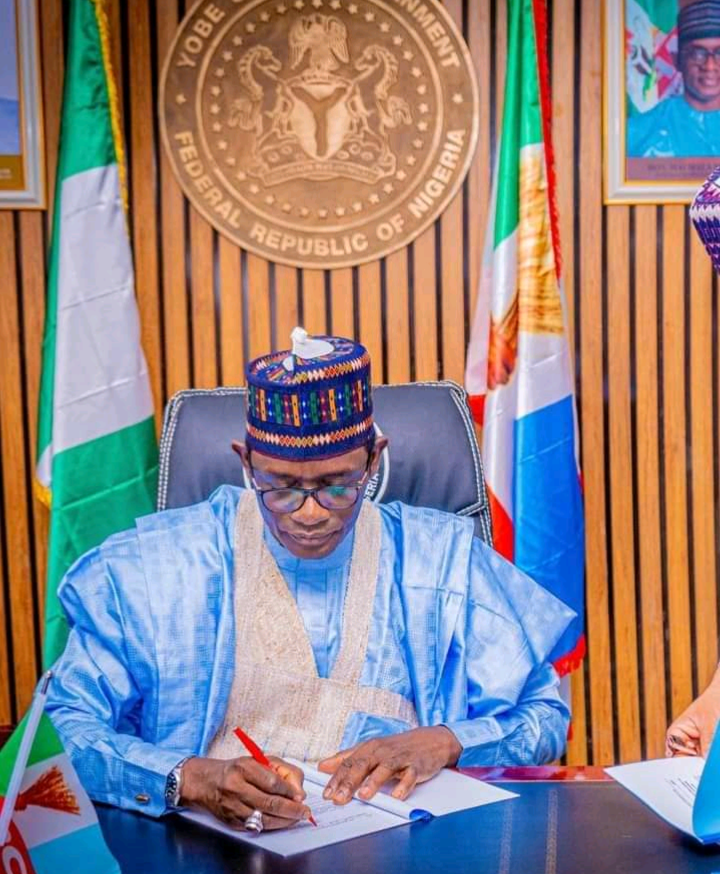
The payment was confirmed by the Secretary to the State Government (SSG), Alhaji Baba Malam Wali, during a press briefing in Damaturu to mark six years of Governor Mai Mala Buni’s administration. According to the SSG, “the payment of ₦15.4 billion covers all outstanding gratuities owed by the state and local governments,” effectively wiping out the backlog inherited from previous administrations.
For many retirees, the announcement brings long-awaited relief. Delayed gratuity payments have remained a major challenge across Nigeria, often leaving retired workers struggling to meet basic living and healthcare expenses. By clearing the backlog in full, Yobe State has restored confidence among pensioners and reaffirmed its commitment to honoring public service obligations.
Beyond the gratuity settlement, the state government highlighted broader reforms and investments undertaken over the last six years. These include the recruitment of over 6,000 civil servants, training and retraining of more than 26,000 teachers, and improved capacity building across the public sector. The administration said these efforts were aimed at strengthening service delivery and human capital development.
Infrastructure development also featured prominently in the briefing. The state cited the construction and rehabilitation of hundreds of kilometers of roads, alongside major flyover and underpass projects in Damaturu valued at about ₦22 billion. In the health sector, primary healthcare centers have been upgraded across wards, while ambulances have been procured to enhance emergency response.
The government further pointed to interventions in transportation and rural electrification, including the acquisition of buses for public transport, subsidized vehicle schemes, and the extension of electricity to underserved communities and hospitals. These projects, officials said, are designed to stimulate economic activity and improve living standards.
Clearing the gratuity backlog also has wider fiscal implications. According to BudgIT data, personnel costs, including salaries, pensions, and gratuities, account for a significant share of state revenues nationwide. Yobe State reportedly spends about 30.8% of its revenue on personnel-related expenses, highlighting the pressure such obligations place on public finances. By settling accumulated arrears, the state reduces future liabilities and creates room for better budget planning.
Yobe’s action mirrors a broader trend among Nigerian states seeking to address pension and gratuity challenges. States such as Ebonyi, Oyo, and Katsina have recently allocated substantial funds to clear similar backlogs, reflecting growing recognition that unresolved retirement obligations can undermine workforce morale and social stability.
For retirees in Yobe, however, the impact is immediate and personal. Many describe the payment as a turning point after years of uncertainty. With the backlog cleared, attention now shifts to whether the state can sustain timely gratuity payments going forward, ensuring that future retirees do not face similar delays.
The ₦15.4 billion gratuity settlement reduces Yobe State’s accumulated liabilities and improves fiscal transparency, but it also highlights how personnel costs strain state budgets. With nearly a third of revenue spent on wages and pensions, sustainable revenue growth and prudent expenditure management remain critical for long-term economic stability.