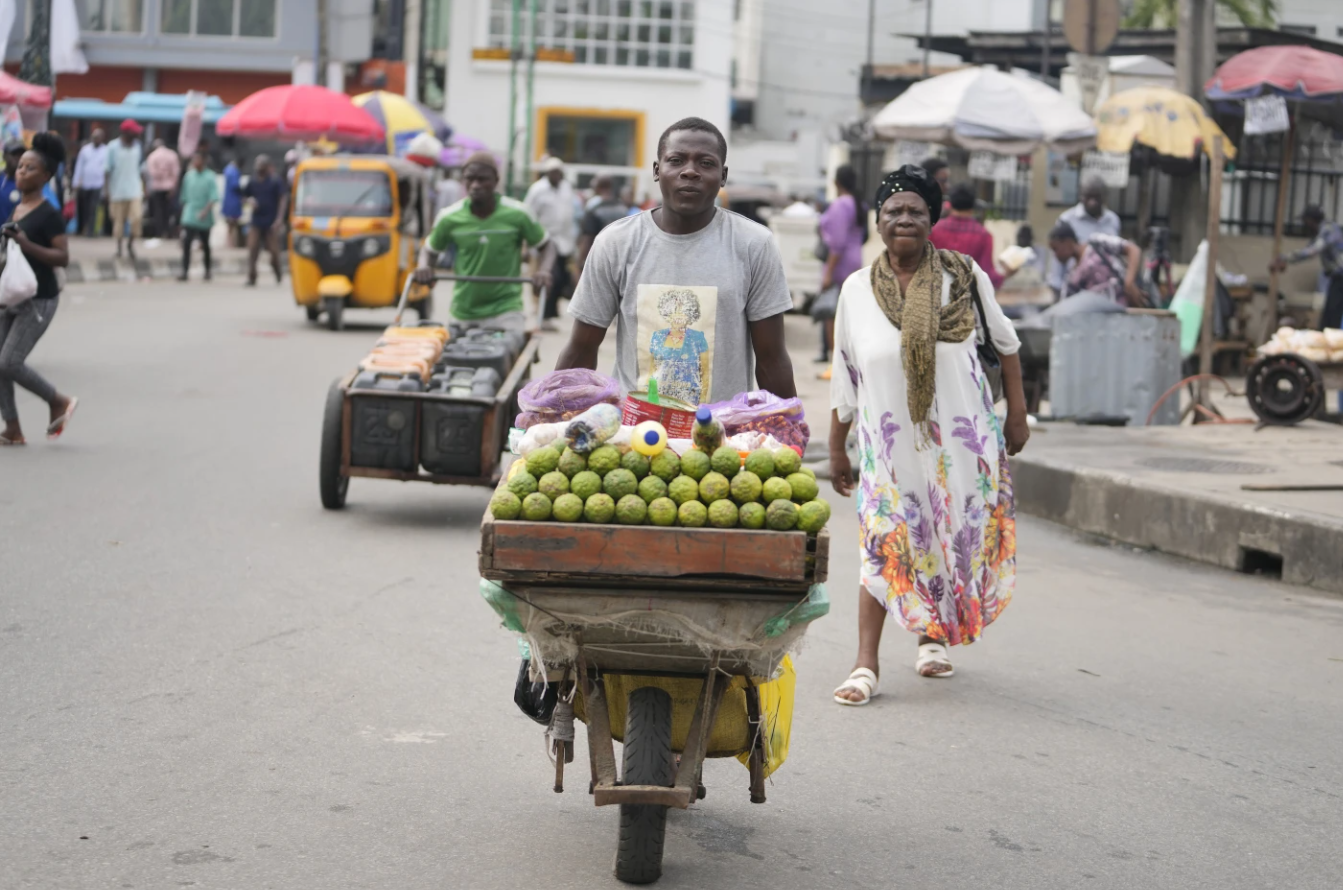

Nigerian workers are grappling with the worst cost-of-living crisis in a generation, as stagnant wages, soaring inflation, and the removal of fuel subsidies have eroded purchasing power and pushed millions into poverty. For civil servants and private sector employees alike, the gap between monthly earnings and the rising cost of food, transport, rent, and school fees has widened to unbearable levels, forcing families to adopt drastic survival strategies.
The crisis has its roots in a combination of policy decisions and external shocks. The removal of petrol subsidy in mid-2023, while fiscally necessary, triggered an immediate spike in transport and logistics costs. The unification of exchange rate windows led to a sharp devaluation of the naira, making imported goods—from machinery to medicines—more expensive. Inflation, which peaked at over 30 per cent in 2024, has moderated to 15.38 per cent but remains elevated enough to erode wage gains. Meanwhile, the national minimum wage of ₦70,000, agreed in 2024 after months of negotiations, has failed to keep pace with the cumulative price increases.
For workers in the informal sector, who constitute about 80 per cent of Nigeria’s labour force, the situation is even more precarious without the buffer of guaranteed monthly salaries. Day labourers, market traders, and transport operators have seen their real incomes collapse as the prices of the goods they sell or the fuel they burn have risen faster than their daily earnings. The crisis has also accelerated the ongoing brain drain, with skilled professionals seeking better opportunities abroad. Doctors, nurses, engineers, and IT professionals continue to leave for the UK, Canada, and Gulf countries.
The manufacturing sector, already struggling with high energy costs and foreign exchange scarcity, has shed jobs as companies rationalise operations to remain profitable. The potential for social unrest is visible in the frequency of protests and strikes across the country. Labour unions, including the NLC and TUC, have repeatedly called for wage increases and palliatives but have been met with limited government action. Without a comprehensive strategy to boost household incomes, protect the most vulnerable, and accelerate job creation, the cost-of-living crisis threatens to deepen poverty and fuel long-term social instability.