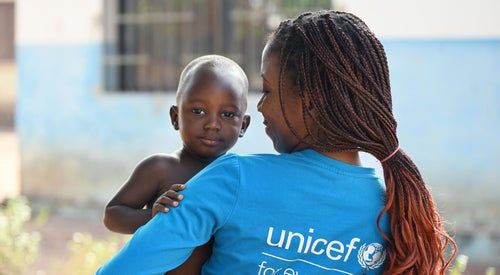

The United Nations Children’s Fund has called on women journalists in Nigeria to take a more active role in protecting children and ensuring their stories are heard, especially those who are vulnerable and often ignored.
This message was delivered by the Chief of Field Office in Kaduna, Mrs. Gerida Birukila, during a two-day training focused on child-sensitive reporting for women journalists in Kaduna. The workshop was organised by the Nigeria Association of Women Journalists, Kaduna chapter, in partnership with UNICEF. Its goal was to equip participants with the knowledge and skills needed to report responsibly on children’s issues while promoting social change.
Represented by Dr. Willy Mamah, a Child Protection Specialist, Birukila stressed that Nigeria is currently facing serious challenges related to child safety and survival. She explained that issues such as poverty, insecurity, and harmful cultural practices continue to negatively affect the wellbeing of children across the country.
She encouraged journalists to use their platforms to address these problems by challenging negative stereotypes, raising awareness, and pushing for policies that protect children. According to her, “many children are unable to speak out due to cultural restrictions. As journalists, you are in a position to amplify their voices and hold perpetrators accountable.”
Birukila’s remarks highlighted the important role of the media in shaping public opinion and influencing positive change. She noted that when journalists tell children’s stories accurately and sensitively, they help bring attention to issues that might otherwise remain hidden.
Also speaking at the event, the Kaduna State Commissioner for Information, Ahmed Maiyaki, emphasised the need for reporters to adopt ethical approaches when covering stories involving children. He was represented by Yunusa Muhammad, Director of Media Relations and Citizens Engagement.
Maiyaki praised the organisers of the workshop, describing it as timely and necessary for improving journalism standards. He noted that child-sensitive reporting helps protect children’s dignity, safety, and long-term wellbeing.
According to him, such reporting plays a crucial role in drawing attention to important areas like education, healthcare, and child protection. He added that journalists have a responsibility to ensure their reports do not harm the individuals they cover, particularly children who may already be in vulnerable situations.
“When we report on children, we are not just reporting on subjects; we are guardians of their dignity, safety and their future.
“We look up to you to hold us accountable, but we also expect you to report with care and sensitivity, especially on vulnerable groups like children.”
The workshop served as a reminder that journalism is not just about sharing information but also about protecting those who cannot protect themselves. By adopting child-sensitive reporting practices, women journalists can help create a safer and more supportive environment for children across Nigeria.