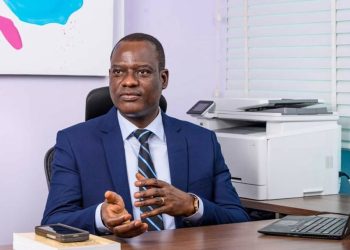




In a strategic move to sanitize the digital health landscape of the continent, Wiki Health Africa has officially inaugurated 22 health fellows under the African Health Editors Fellowship Cohort 2025/2026. The initiative, led by Dr. Tesleemah Abdulkareem, aims to dismantle the proliferation of medical misinformation by training a multidisciplinary cohort of African professionals to curate and verify health content on open-access platforms. For the Nigerian and broader African economies, this fellowship represents a critical investment in “information infrastructure,” which is essential for reducing the public health costs associated with preventable diseases and self-medication driven by online falsehoods.
The economic consequence of health misinformation in Africa is measured in billions of dollars in lost productivity and strained public healthcare budgets. When citizens rely on unverified digital advice for conditions like malaria, maternal health, or infectious diseases, the resulting medical complications lead to increased hospitalization rates and a higher burden on state-funded facilities. By equipping medical doctors, pharmacists, and journalists with the skills to edit Wikipedia the world’s most-visited health resource Wiki Health Africa is creating a “digital defense” that promotes evidence-based outcomes. A better-informed populace directly correlates with a more resilient workforce and lower national healthcare expenditures.
Analytically, the fellowship’s adoption of the Wikimedia Core Curriculum signals a transition toward standardized, global best practices in African health reporting. The cohort includes professionals from Nigeria, Ghana, South Africa, Uganda, and the DRC, ensuring that health narratives are not only accurate but also contextually relevant to the African epidemiological profile. From a technological perspective, the inclusion of software developers and translators in the cohort is vital; it facilitates the localized “vernacularization” of complex medical data, making life-saving information accessible to non-English speaking rural populations who are often the most vulnerable to health-related hoaxes.
The impact on the media and ICT sectors is another vital dimension. The fellowship bridges the gap between traditional clinical expertise and digital communication. By hosting high-level sessions with global experts like Dr. James Heilman of WikiProject Medicine, the programme is integrating African professionals into a global network of “knowledge gatekeepers.” This elevation of African editorial authority ensures that the continent is no longer just a consumer of global health data but a primary contributor, improving the “Ease of Access to Information” a metric often cited by international development partners when evaluating a country’s social stability and human capital development.
Furthermore, the regional panel discussions involving leaders from Nigeria, Ghana, and the Gambia underscore the importance of collaborative governance in the digital age. As African nations move toward more integrated digital economies under the African Continental Free Trade Area (AfCFTA), the ability to resolve cross-border information disputes and maintain “neutral point of view” standards is critical. The appointment of local coordinators in various countries ensures that the impact of the fellowship survives the initial training period, fostering a sustainable ecosystem of “health-tech” professionals capable of mentoring the next generation of digital editors.
The long-term economic outlook for Africa’s digital health sector hinges on the ability of such initiatives to build public trust in open-access knowledge. As the 2025/2026 cohort begins its work, the focus shifts toward the “visibility” of African medical research on the global stage. By improving the quality of health articles relevant to the continent, these fellows are lowering the “information search costs” for researchers, policymakers, and ordinary citizens. This strengthening of the digital commons is a fundamental prerequisite for achieving the Sustainable Development Goals (SDGs) related to good health and well-being, ultimately fostering a more productive and prosperous African federation.