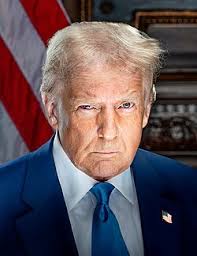

U.S. President Donald Trump on Tuesday, March 17, 2026, moved to quell international concern by dismissing suggestions that Israel might utilize nuclear weapons in a potential conflict with Iran. Addressing reporters, the President countered recent comments made by his adviser, David Sacks, who had speculated during a podcast that Israel could escalate a military confrontation to the point of considering nuclear options. Trump was emphatic in his rebuttal, stating, “Israel wouldn’t do that. Israel will never do that.”
The structural and diplomatic consequence of this exchange centers on Israel’s long-standing policy of “Nuclear Ambiguity.” For decades, the Israeli government has neither confirmed nor denied the existence of its nuclear arsenal, a strategic stance designed to deter regional adversaries without triggering a formal nuclear arms race or inviting intrusive international inspections. While Israeli officials have consistently pledged that they would not be the first to “introduce” nuclear weapons to the Middle East, the global community remains acutely aware of their perceived capabilities.
Analytically, the impact on “Regional Stability and Deterrence” is complex. Despite the official silence from Jerusalem, data from the Stockholm International Peace Research Institute (SIPRI) suggests that Israel likely possesses approximately 90 nuclear warheads. This estimate positions Israel as a formidable, albeit undeclared, nuclear power. President Trump’s public dismissal of a nuclear escalation serves as an attempt to de-escalate tensions and reassure allies that the conflict remains within the bounds of conventional warfare, despite the heightened rhetoric from some of his advisers.
The long-term outlook for Middle Eastern security remains tied to this delicate balance of power. By publicly rejecting the nuclear narrative, the Trump administration is seeking to maintain the status quo of “ambiguity” that has defined the region’s security architecture for years. However, the comments from within his own advisory circle highlight the increasing volatility of the discourse surrounding the Iran-Israel standoff. For the international community, the challenge remains ensuring that conventional skirmishes do not spiral into a broader strategic catastrophe.