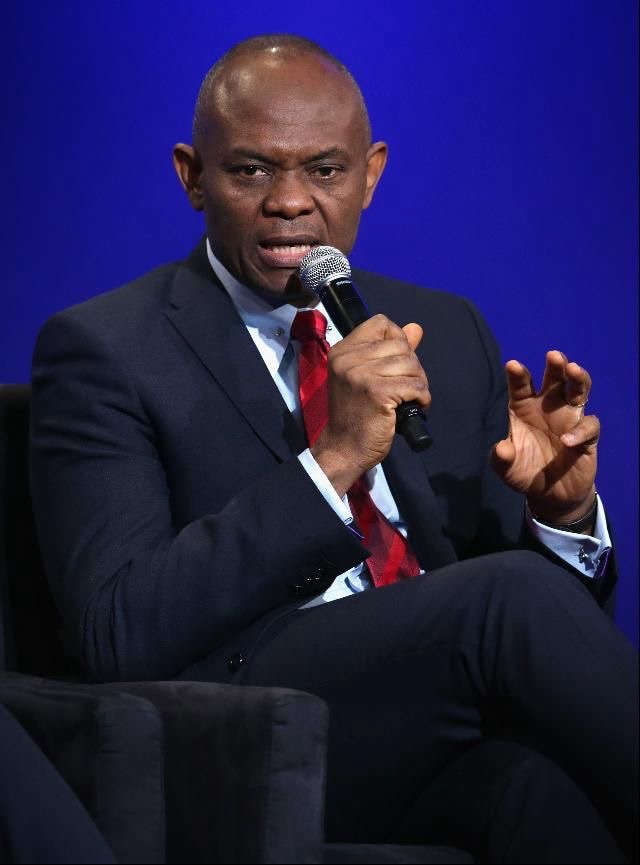

African billionaire businessman and philanthropist Tony Elumelu has renewed his call for stronger investment in entrepreneurship and private sector development across Africa, saying the continent’s economic future depends heavily on empowering young business owners.
Speaking at a recent investment and entrepreneurship gathering in Lagos, Elumelu stressed that Africa has the talent, population, and resources needed to become a major global economic force. However, he explained that many young entrepreneurs still struggle with limited access to funding, unstable infrastructure, and poor business support systems.
According to the chairman of Heirs Holdings, African governments and financial institutions must work together to create a business-friendly environment capable of supporting innovation and economic expansion. He stated that long-term investments in power, technology, agriculture, and financial services would help unlock opportunities across different sectors of the economy.
Elumelu noted that entrepreneurship remains one of the fastest ways to reduce unemployment and poverty in Africa. He explained that many small businesses possess the potential to grow into large companies if they receive adequate financial support and mentorship.
He also highlighted the role of the Tony Elumelu Foundation in supporting African startups through grants, training, and mentorship programmes. Since its launch, the foundation has assisted thousands of entrepreneurs across different African countries, helping many young business owners expand their operations and create jobs within their communities.
The business leader said Africa must focus on building sustainable businesses rather than depending heavily on foreign aid and imports. He added that encouraging local production and innovation would strengthen African economies and improve competitiveness in the global market.
Economic experts believe Elumelu’s continued advocacy for entrepreneurship development is helping to shape discussions around economic growth on the continent. Analysts say his investment strategy, often described as “Africapitalism,” promotes the idea that the private sector can drive social and economic transformation in Africa through long-term investments.
Observers also point to the growing influence of African business leaders in global economic conversations. In recent years, investors have shown increasing interest in African startups, particularly in sectors such as fintech, renewable energy, digital services, and agribusiness.
Business analysts say Nigeria and other African nations could benefit greatly if more companies invest in local talent and production. They argue that stronger partnerships between governments and private investors would improve economic stability and attract more foreign direct investment into the continent.
Elumelu further urged African youths to embrace innovation, creativity, and entrepreneurship despite current economic challenges. According to him, the future of Africa depends on a generation of entrepreneurs capable of building businesses that solve local problems while competing internationally.
With Africa’s population expected to continue rising over the coming decades, experts believe entrepreneurship and private sector investment will remain critical factors in driving economic growth, creating jobs, and improving living standards across the continent.