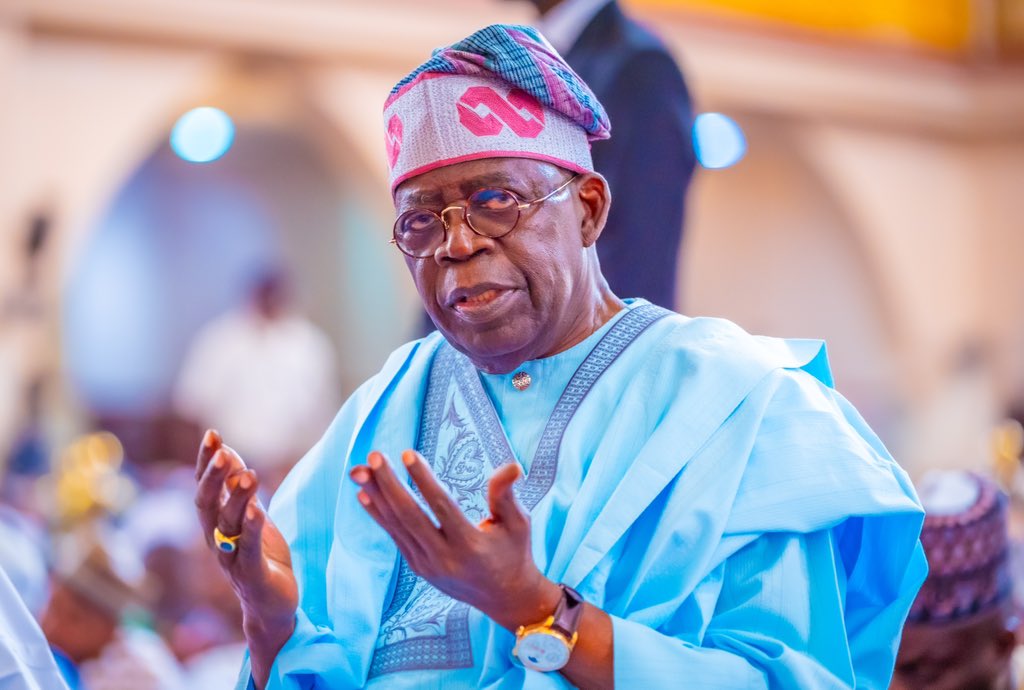

President Bola Tinubu has formally requested the Senate’s approval for an upward review of the 2026 Appropriation Bill, proposing a significant increase of N9 trillion. In a letter addressed to Senate President Godswill Akpabio and read during plenary on Tuesday, March 31, 2026, the President sought to raise the total national budget from N58.4 trillion to N67.4 trillion.
The structural and fiscal consequence of this request is aimed at enhancing transparency and ensuring the effective implementation of priority national programmes. President Tinubu outlined three primary objectives for the supplementary funding, beginning with the need to regularise and account for outstanding legacy commitments from previous appropriation cycles. By addressing these past obligations now, the administration intends to prevent older projects from stalling the execution of the current 2026 fiscal roadmap.
Analytically, the impact on “Debt Consolidation and Strategic Priorities” forms a core part of the proposal. The President explained that the N9 trillion increment would allow the government to properly capture existing indebtedness within the fiscal framework while simultaneously providing for a limited number of high-impact, strategic projects. This consolidation is designed to provide a clearer picture of the nation’s financial obligations and prevent “hidden” debts from undermining future growth.
The impact on “Macro-Fiscal Stability and Market Pressure” is the third pillar of the request. Tinubu emphasized that the revised financing plan aims to align expenditure with revenue in a manner that preserves overall economic stability. By restructuring how these projects and debts are funded, the government hopes to reduce the pressure on the domestic financial market, potentially leaving more room for private sector credit and preventing a spike in borrowing costs.
Following the reading of the letter, Senate President Akpabio referred the executive request to the Committee on Appropriation. The committee is expected to provide further legislative input and report back to the plenary within the coming days for a final vote on the budget expansion.
The long-term outlook for the 2026 fiscal year depends on the Senate’s willingness to approve this 15% increase in total spending. If passed, the N67.4 trillion budget will represent one of the most ambitious fiscal frameworks in Nigeria’s history, focused heavily on clearing the books of past liabilities to make way for new infrastructure and social welfare initiatives.