
President Bola Tinubu has said Nigeria is on track to attract nearly $20 billion in foreign direct investment by 2026, following reforms introduced by his administration to improve the business environment and strengthen the economy.
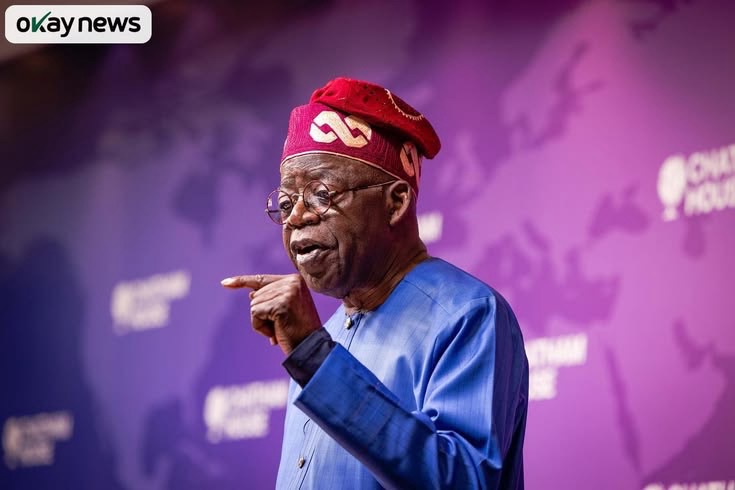
Tinubu made the statement on Thursday while speaking at the Africa CEO Forum held in Kigali. During a presidential panel discussion moderated by British journalist Zainab Badawi, the Nigerian leader stressed the need for Africa to become more self-reliant by processing its own natural resources instead of exporting raw materials abroad.
According to Tinubu, his government has removed major obstacles that previously discouraged investors from bringing money into Nigeria. He explained that reforms aimed at improving transparency, stabilising the economy, and simplifying regulations are already attracting strong foreign interest.
He stated that Nigeria must stop the long-standing practice of exporting raw minerals and importing finished products at higher prices. Tinubu said African countries should develop industries that can process and add value to local resources.
Using Nigeria’s mineral sector as an example, he said the country has the capacity to produce items such as electric vehicle batteries locally rather than simply exporting raw materials. He added that African nations should use their natural resources as tools for raising capital and funding development projects.
Tinubu also highlighted the success of the Dangote Petroleum Refinery, describing it as proof that strong cooperation between government and the private sector can deliver major economic results.
He noted that the refinery now produces about 650,000 barrels per day and supplies a large portion of Nigeria’s fuel needs. According to him, the government supported the project by providing necessary licences, encouraging free trade, and helping with crude oil supply.
The President defended the decision to supply crude oil to local refineries in naira instead of foreign currencies. He explained that using the naira helps reduce pressure on the foreign exchange market, eliminates banking complications, and supports local businesses.
Tinubu also criticised international credit rating agencies, arguing that they often fail to recognise Africa’s true economic potential. He questioned whether such agencies fully understand the opportunities available in countries like Rwanda and other fast-growing African economies.
On tax reforms, Tinubu said his administration is introducing a simpler and more accessible tax system similar to the one used in Lagos. He explained that Nigerians can now pay and assess taxes more easily using mobile phones and digital platforms.
Speaking on agriculture, the President revealed that the government is investing in 6,000 mechanised farming zones and introducing programmes to support farmers with storage facilities, improved seedlings, and guaranteed product buy-back systems.
He also mentioned major infrastructure projects, including the Sokoto-Badagry highway and the expansion of fibre optic networks across the country. According to him, over 90,000 kilometres of fibre cables have already been laid to improve digital communication, education, e-commerce, and access to technology.
Tinubu further stressed the importance of preparing Nigerian youths for the digital economy, saying technological development and artificial intelligence will play a key role in Africa’s future growth.
He urged African nations to fully implement the African Continental Free Trade Area by working together and strengthening regional trade instead of operating independently.
The Africa CEO Forum, which ends on Friday, brings together African leaders, investors, and business executives to discuss economic growth, investment opportunities, and regional integration across the continent.