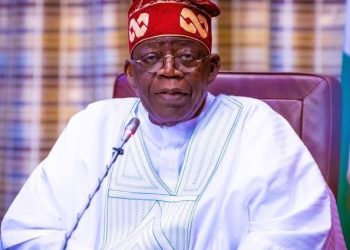

President Bola Tinubu has taken a decisive step toward seeking a second term, with the formal purchase of the All Progressives Congress (APC) expression of interest and nomination forms for the 2027 presidential election. The forms, valued at N100 million, were obtained on his behalf on Tuesday in Abuja by the lawmaker representing Ikeja Federal Constituency, James Faleke, who also leads the Tinubu Support Groups. The ceremony effectively ended months of speculation about Tinubu’s political future, setting the stage for what is expected to be a highly competitive race less than nine months before the polls.
Faleke, presenting the documents at the Abuja Continental Hotel, insisted that the purchase was a collective effort by Nigerians rather than the act of a single individual. He was joined by leaders of the APC National Working Committee, including Deputy National Chairman Ali Buka Dalori and National Women Leader Mary Alile Idele, who formally handed over the forms. Faleke dismissed any threat from opposition coalitions, stating that the APC would focus on its work while others pursued their own strategies.
The electoral calendar has already been set by the Independent National Electoral Commission (INEC), with presidential and National Assembly elections scheduled for 16 January 2027, followed by governorship and state assembly polls on 6 February 2027. Party primaries are to be held between 23 April and 30 May 2026, while campaigns for the presidential election will begin on 19 August 2026.
From an economic and political standpoint, the formal launch of Tinubu’s re‑election bid introduces a new variable into Nigeria’s policy environment. Elections tend to amplify fiscal pressures, as government spending often rises and investor sentiment becomes more guarded during the approach to the polls. The early timing of the nomination, however, provides the administration a window to communicate its continuity agenda to both domestic and international investors.
The president’s supporters point to ongoing reforms in the tax system, foreign exchange management and infrastructure development as selling points. Critics, however, are likely to focus on the persistent high cost of living, insecurity and unemployment. The campaign ahead will test whether the administration can translate policy achievements into tangible improvements in household welfare before voters head to the ballot box in January.