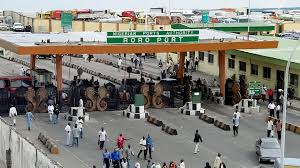

The Nigerian Ports Authority (NPA) faces a looming operational crisis as its retirees, under the Nigerian Ports Authority Pensioners Welfare Association, have issued a seven-day ultimatum to shut down all seaports nationwide. The dispute centers on 16 years of unpaid constitutional pension benefits and the failure to implement the five-year incremental policy mandated by Section 173(3) of the Nigerian Constitution. With inflation at record highs, this industrial friction poses a direct threat to Nigeria’s maritime trade, which accounts for the vast majority of the country’s non-oil revenue and import-export logistics.
The economic reality for these retirees is stark. Association President Charles Ayo Binitie revealed that over 50% of pensioners receive between N30,000 and N50,000 monthly sums that have been rendered insufficient by the “harsh economic realities” of Nigeria’s current inflationary cycle. The failure to adjust these payments since 2008 represents a significant breach of fiscal obligation. If the threat to shut down the ports is executed, the resulting disruption to the supply chain could lead to massive revenue losses for the Federal Government, increased demurrage costs for importers, and a further spike in the prices of essential commodities.
While the NPA management, through spokesperson Ikechukwu Onyemekara, maintains that it is not owing and provides medical care, the pensioners argue that the current 3% to 11.5% discretionary increments fall far short of legal requirements. This impasse underscores a broader systemic issue within Nigeria’s parastatals regarding the management of long-term liabilities. The resolution of this conflict is essential not only for the welfare of the retirees but for maintaining the stability of the Nigerian maritime sector, which remains a “first grade” pillar of the national economy alongside the NNPC.