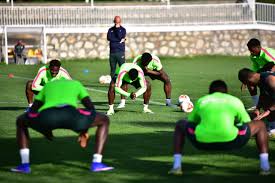

Nigeria’s Super Eagles played out a 2-2 draw with Jordan in an international friendly match in Antalya, Turkey, on Tuesday, as the team continued its build-up toward upcoming continental competitions. The result offered head coach Eric Chelle opportunities to assess squad depth and tactical combinations against a physically disciplined Jordanian side.
The match saw Nigeria take an early lead before Jordan responded with two goals to go ahead. The Super Eagles equalised in the second half to secure a draw, with goals coming from forward Victor Osimhen and midfielder Wilfred Ndidi, who continues to demonstrate his value as a two-way presence in the national team setup. The friendly was part of Nigeria’s preparations for the 2026 Africa Cup of Nations qualifying campaign and subsequent tournaments.
From an economic perspective, the Super Eagles’ performance carries implications beyond sporting outcomes. Football remains Nigeria’s most commercially significant sport, generating substantial revenue through broadcasting rights, sponsorship deals, merchandise sales, and tourism associated with match attendance. The national team’s visibility in international competitions directly affects the value of sponsorship contracts with corporate partners and the Nigerian Football Federation’s ability to attract investment.
The choice of Antalya as a venue reflects broader trends in African football, where European and Turkish training camps have become preferred locations for national teams seeking quality facilities, favourable weather, and convenient access to European-based players. These arrangements require significant financial outlay, underscoring the importance of consistent funding for football development. The NFF’s ability to organise such friendlies depends on commercial partnerships, government support, and the federation’s financial management.
The match also highlights the growing integration of Nigerian football into the global transfer market. The players fielded represent a substantial pool of talent competing in top European leagues, with their market values collectively running into hundreds of millions of euros. The performance of these players at the international level influences their club valuations, transfer fees, and ultimately the flow of football-related revenues into Nigeria through transfer levies, solidarity payments, and image rights.
For domestic football development, the national team’s results affect public interest in the local league, viewership of Nigerian football content, and youth participation. Successful international campaigns typically generate increased attention from broadcasters, sponsors, and grassroots programmes. The draw against Jordan, while not a marquee result, provides Chelle with data points on player combinations and tactical adjustments ahead of competitive fixtures.
Looking ahead, the Super Eagles will return to competitive action in the coming months, with the next round of Africa Cup of Nations qualifiers determining Nigeria’s path to the tournament. The NFF’s planning for these fixtures, including venue selection, training camps, and player welfare, will be closely watched by stakeholders who view the national team as a critical asset for Nigerian sports economics and international prestige.