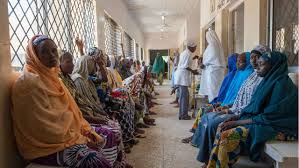

Patients across Nigeria are waiting long hours or even days before seeing a doctor in general hospitals, as inadequate manpower and rising workloads overwhelm public healthcare facilities. Across major public hospitals in Abuja, Kano, Rivers and Lagos, patients spend an average of five to seven hours before seeing a doctor, often losing an entire workday to a single hospital visit. In more severe cases, particularly in rural and semi-urban facilities, the wait can stretch into days, with appointments repeatedly deferred due to a shortage of doctors.
The implications of prolonged waiting times extend far beyond inconvenience. For many Nigerians, particularly those in the informal sector, long hospital visits translate into full days of lost income. For those in paid employment, it may mean taking time off work, risking pay cuts or disciplinary action. In rural areas, where delays stretch into days, the economic impact is even more severe, as patients and their relatives may have to make repeated trips to healthcare facilities. Beyond economic losses, delayed access to medical care can worsen health conditions, particularly in cases requiring urgent attention.
At the heart of this crisis is a combination of inadequate manpower, weak primary healthcare systems and the steady migration of health workers abroad. At least 18,627 doctors left Nigeria between 2015 and 2024, according to data from the Nigerian Association of Resident Doctors and the Federal Ministry of Health. The doctor-to-population ratio stands at 3.9 per 10,000, far below the WHO minimum benchmark of 10 doctors per 10,000 people. The Nigerian Medical Association has expressed concern over the shortage, identifying poor working conditions and inadequate remuneration as major factors pushing doctors to leave.
At Kubwa General Hospital in Abuja, the strain is visible from early morning. By 7:30 a.m., waiting areas are filled to capacity, with patients lining corridors and sitting on any available surface. Some patients arrive before dawn but still wait past noon. Others report being turned away after waiting all day because doctors have closed for the day. The Federal Ministry of Health has designed a National Policy on Health Workforce Migration to manage the valuable health workforce, but widespread shortages persist, leaving millions of Nigerians with limited access to timely medical care.