
African electric mobility group Spiro has secured an additional $55 million in equity funding from Chinese early-stage investor NewTrails Capital, extending a broader financing round that now totals $270 million.
The fresh capital underscores rising investor conviction in Africa’s emerging electric two-wheeler market, where startups are targeting commercial motorcycle operators with battery-swapping models designed to bypass weak charging infrastructure.
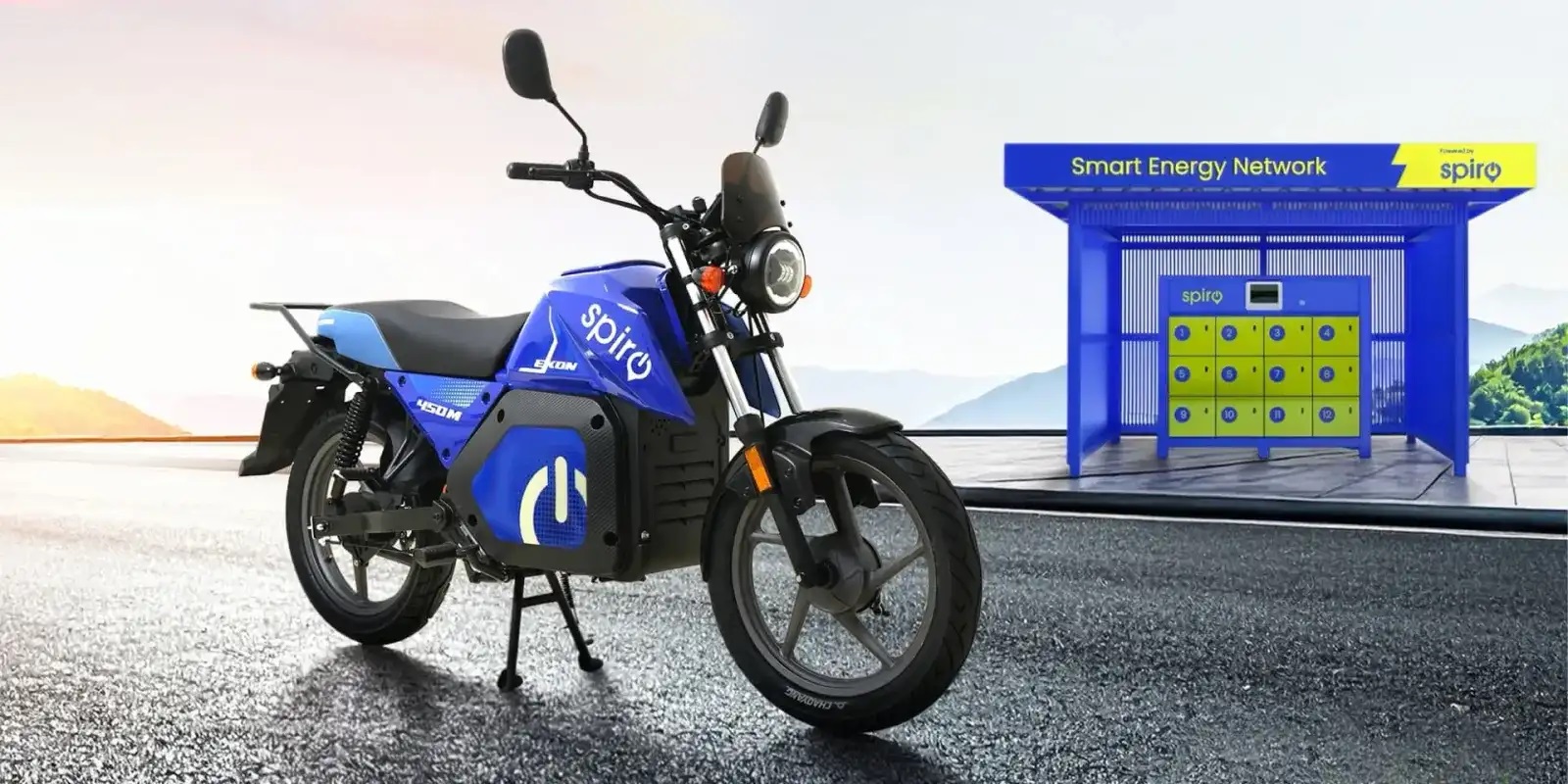
Spiro, which operates electric motorcycle fleets supported by interchangeable battery stations, is positioning itself as a logistics and mobility infrastructure player rather than a traditional vehicle manufacturer. The company’s model allows riders to swap depleted batteries for fully charged units in minutes, reducing downtime and addressing one of the key constraints in Africa’s transport ecosystem.
The latest injection from NewTrails Capital follows a string of earlier commitments that have rapidly expanded the scale of the round, reflecting growing competition among investors seeking exposure to clean transport solutions in high-growth but under-electrified markets.
Analysts say the investment highlights a broader shift in African mobility financing, where venture capital is increasingly flowing into hardware-backed platforms that combine energy distribution with transport services. Unlike conventional electric vehicle adoption in developed markets, Africa’s transition is expected to be shaped by shared infrastructure models rather than private car ownership.
For Spiro, the expanded funding is expected to support the rollout of additional battery-swapping stations, expansion of its motorcycle fleet, and entry into new urban and peri-urban markets across key African economies. The company has been scaling aggressively in response to rising fuel costs, which have made electric motorcycles an increasingly attractive alternative for commercial riders.
The deal also signals continued Chinese capital engagement in Africa’s clean energy transition, particularly in mobility segments where supply chain expertise and battery manufacturing capacity remain critical.
Market observers note that execution risk remains significant. Battery-swapping economics depend on high utilization rates, dense station networks, and stable regulatory frameworks, factors that vary widely across African cities.
Still, the scale of the latest round suggests investors are willing to back long-term infrastructure buildouts in anticipation of structural demand for low-cost, low-emission transport.