
Nigeria’s vulnerability to external shocks has come sharply into focus as escalating tensions in the Middle East drove global oil prices above $100 per barrel, triggering a fresh surge in domestic fuel costs despite the country’s position as a leading crude producer. The price spike, linked to disruptions around the Strait of Hormuz, is already feeding into higher transport and energy expenses, compounding pressure on households and businesses already grappling with elevated living costs.
The development underscores a persistent structural weakness in Africa’s largest economy: its heavy dependence on imports, even in sectors where it enjoys clear resource advantages. Nigeria produces crude oil but imports refined petroleum products; it has vast agricultural land but imports food; it has a growing technology sector but imports most consumer electronics and industrial inputs. Each external shock—whether geopolitical conflict, supply chain disruption, or currency volatility—exposes this dependency and translates into higher domestic prices.
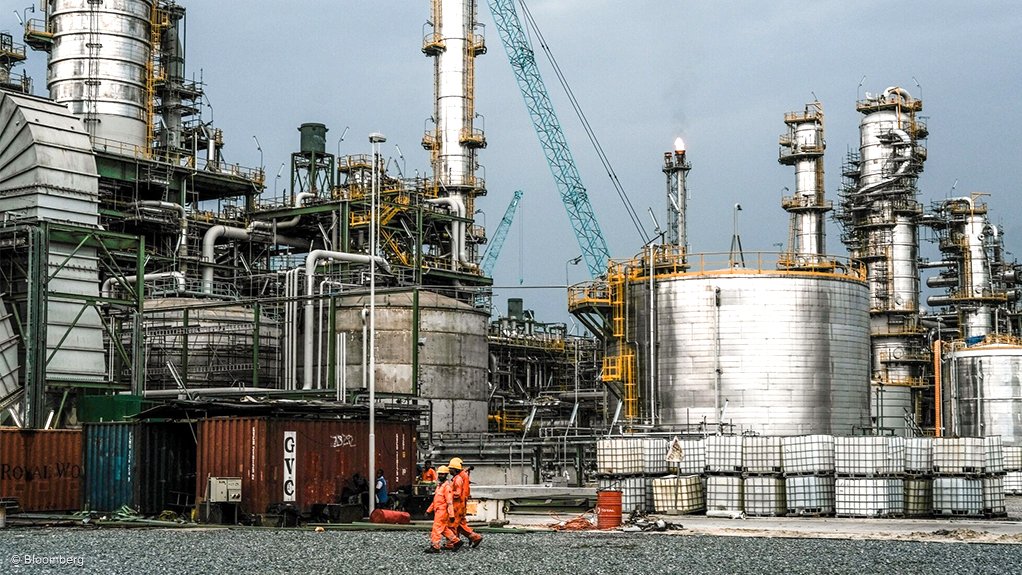
Analysts say the latest shock reinforces the urgency of fixing domestic refining capacity and reducing exposure to global supply disruptions that continue to dictate local price realities. The Dangote Refinery, which began operations after years of construction delays, represents a strategic asset that could reduce Nigeria’s reliance on imported petrol and diesel. However, the facility’s ramp-up to full capacity and the establishment of efficient distribution networks remain works in progress, leaving the country still vulnerable to global oil market gyrations.
The import trap also has implications for industrial policy. The current administration has pursued reforms aimed at boosting domestic manufacturing, including tax incentives, foreign exchange reforms, and infrastructure investments. The oil shock demonstrates why these efforts matter: a more diversified economy with stronger local production capacity would be less susceptible to external price spikes. The urgency of reducing import dependency has rarely been clearer, as each new global shock delivers a direct hit to Nigerian households through higher fuel and transport costs.