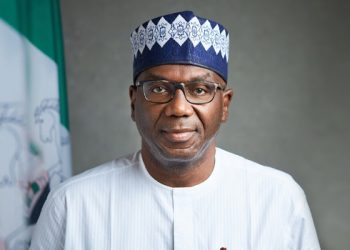

Delta State Governor Sheriff Oborevwori has formally requested the Delta State House of Assembly’s approval for a ₦200 billion supplementary budget, seeking adjustments to the state’s ongoing 2025 fiscal plan to accommodate unanticipated spending pressures and to sustain delivery of government programmes. The appeal was made in a letter read during plenary in Asaba by the Speaker of the Assembly, Dennis Guwor, signalling the beginning of legislative scrutiny of the proposal.
Delta State is currently implementing its 2025 Appropriation Act, originally passed with a total budget estimate of ₦979.2 billion. Oborevwori’s supplementary budget seeks to increase this by roughly 20 per cent, bringing the revised total spending plan to about ₦1.179 trillion if approved. The governor explained that emerging financial demands, including pension obligations, healthcare costs, rising debt servicing obligations, and statutory allocations to local governments, necessitate this formal adjustment to avoid disruptions in governance and social services.
Under the governor’s proposal, ₦140.6 billion of the additional funds would be allocated to recurrent expenditure, while ₦59.4 billion would be dedicated to capital expenditure. The recurrent portion covers ongoing costs such as salaries, pensions, debt service and contributions to the state’s health insurance scheme, which has seen increased enrolment and higher equity contributions in recent months. Capital expenditure, meanwhile, underpins infrastructure projects and urgent community development initiatives identified across the state.
Governor Oborevwori emphasised that the supplementary budget is not merely a numerical revision but a necessary realignment of the state’s fiscal strategy. In his letter to the Assembly, he noted that the 2025 budget extends through to 31 January 2026, which means that emerging obligations that were not anticipated when the original budget was approved must be addressed. Without this adjustment, he warned, key services and development programmes could be jeopardised.
The governor also highlighted the impact of rising debt service obligations, particularly as external loans and statutory transfers to local governments have placed additional demands on the state’s finances. He argued that these pressures, in combination with commitments to social programmes and infrastructure works, have made the supplementary appropriation unavoidable.
Recurrent expenditure, which forms the bulk of the supplementary request, is driven by several factors: arrears and lump-sum pension payments intended to improve the welfare of retired civil servants; expanded enrolment in the state’s health insurance scheme; and growing contributions to cover obligations set out in existing contracts and statutory requirements. Capital funds, for their part, are intended to maintain momentum on key community development projects and to invest in infrastructure that fosters long-term economic growth and service delivery.
The supplementary appropriation proposal has already passed its first reading at the Delta State House of Assembly, clearing the way for further debate and eventual passage or rejection in the coming days. Debate in the legislature is expected to centre on how best to balance continued investment in infrastructure and development with the need for fiscal discipline and prudent management of public funds.
This request for a supplementary budget follows a broader pattern of states in Nigeria adjusting their fiscal plans mid-year in response to unforeseen expenditures and evolving economic conditions. For comparison, other states have also expanded their budgets to accommodate rising costs and changing priorities, reflecting the challenges of public financial management in an era of inflationary pressures and fiscal uncertainty.
Governor Oborevwori’s administration has previously demonstrated a willingness to address social obligations directly. For instance, in August 2025 he authorised the release of ₦10 billion to clear outstanding pension arrears owed to retirees in Delta State, reinforcing his administration’s position that the welfare of pensioners remains a priority.
As the Assembly prepares to examine the supplementary budget in detail, the outcome will have important implications for the remainder of the 2025 financial year. Should the lawmakers approve the proposal, the revised budget would not only sustain existing programmes but also provide additional resources for investment in infrastructure and community services. If it is rejected or amended, the executive and legislature will need to negotiate compromises to ensure that public services and development projects continue without interruption.