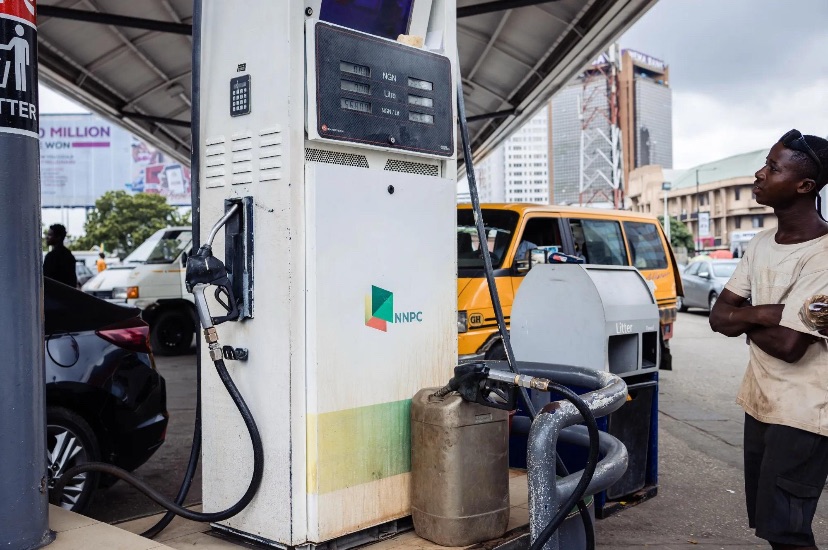

Nigeria’s petrol consumption recorded a slight decline in the first half of 2026, showing that rising fuel prices are changing how people use petrol, even as local refineries produce more fuel than ever before.
According to data from the Nigerian Midstream and Downstream Petroleum Regulatory Authority (NMDPRA), Nigerians consumed about 9.316 billion litres of Premium Motor Spirit (PMS), also known as petrol, between January and June 2026. This was slightly lower than the 9.368 billion litres used during the same period in 2025, representing a drop of 52 million litres, or 0.56 percent.
The decline comes after the removal of petrol subsidy and the full deregulation of Nigeria’s downstream oil sector, which caused fuel prices to rise sharply across the country. In June 2026, petrol sold for between ₦1,284.50 per litre in Lagos and ₦1,393 per litre in Maiduguri, compared to prices below ₦1,000 per litre in late 2025.
Many consumers have responded to the higher costs by reducing unnecessary travel, combining trips, or switching to alternative means of transportation. This has contributed to the slight fall in nationwide fuel demand.
Monthly data showed that petrol consumption started at an average of 60.2 million litres per day in January before gradually dropping over the following months. Demand fell to 56.9 million litres per day in February, 47.3 million litres in March, rose slightly to 51.1 million litres in April, then dropped again to 46.3 million litres in May before improving marginally to 47.4 million litres in June.
While fuel demand softened, Nigeria made major progress in local petrol production. Domestic refineries supplied approximately 6.609 billion litres of petrol during the first half of 2026, accounting for nearly 78 percent of the fuel supplied to the local market. Imported petrol made up only 22 percent, highlighting the country’s growing ability to meet demand through local refining.
The increased output was largely supported by the Dangote Petroleum Refinery, which continued to play a leading role in supplying fuel nationwide. According to the NMDPRA, the refinery operated at more than 101 percent of its installed capacity in June 2026.
During the month, the refinery produced an average of 39.1 million litres of petrol daily, supplied 32.5 million litres to the Nigerian market, exported 3.4 million litres per day, and maintained fuel reserves of over 410 million litres.
Despite this improvement in local production, Nigeria’s strategic petrol reserves remained below the regulator’s target. The country had enough petrol stock to last 20 days, which is below the NMDPRA’s recommended minimum of 30 days.
Interestingly, June also saw a temporary rise in fuel imports. Imported petrol increased significantly during the month, rising from 5.9 million litres per day in May to 18.1 million litres per day in June. This increase helped offset a decline in domestic refinery deliveries during the same period.
Industry experts believe the temporary rise in imports was needed to maintain stable fuel availability while local supply fluctuated.
The report also highlighted how global events affected Nigeria’s fuel market. Rising tensions in the Middle East, involving Israel, Iran and the United States, disrupted crude oil supplies and pushed international oil prices above $100 per barrel. Shipping routes through the Strait of Hormuz were affected, forcing oil tankers to take longer routes around the Cape of Good Hope, increasing transportation costs.
As a result, Nigeria’s deregulated fuel market quickly reflected the higher international prices. A separate report by the Major Energies Marketers Association of Nigeria (MEMAN) revealed that Nigeria experienced the highest petrol price increase in Africa, with pump prices rising by 39.5 percent during the first half of 2026.
Although Nigerians used slightly less petrol during the period, the figures also show that the country’s fuel industry is entering a new phase. Greater local refining is reducing dependence on imports, while consumers continue adjusting their spending habits in response to higher fuel prices.