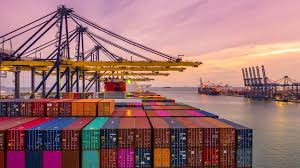

Nigeria has secured a £746 million financing deal with the United Kingdom to modernise the ageing Lagos Port Complex and TinCan Island Port, marking a major step toward fixing long-standing inefficiencies in the country’s maritime sector. The agreement, signed during President Bola Tinubu’s state visit to the UK, is backed by UK Export Finance and arranged by Citibank.
The project aims to reduce congestion, improve vessel turnaround times, and cut cargo delays that have made Nigerian ports significantly less competitive than regional peers such as Togo’s Lomé Port and Ghana’s Tema Port. Nigerian ports currently suffer from chronic congestion, with cargo dwell times often exceeding 30 days compared to 3–5 days at efficient regional ports. These inefficiencies impose substantial costs on importers, exporters, and ultimately Nigerian consumers.
The deal ties part of the funding to UK suppliers, with at least £236 million allocated to British firms, including British Steel. This arrangement aligns with UK Export Finance’s mandate to support domestic exporters while financing infrastructure projects overseas. For Nigeria, the upgrades are expected to lower logistics costs, improve trade efficiency, and boost government revenue through increased port activity and reduced smuggling.
Once completed, the modernisation is projected to reduce shipping costs, shorten supply chains, and enhance Nigeria’s attractiveness as a regional trade hub. The ports serve as critical gateways for imports and exports, handling the majority of Nigeria’s non-oil trade. Improved efficiency would benefit manufacturers, farmers, and traders who depend on reliable import and export channels.
However, analysts note that key details remain unclear, including repayment terms and implementation timelines. The project’s success will depend on effective execution, coordination between federal and state authorities, and the ability to manage the disruption that typically accompanies major infrastructure upgrades. Additionally, ensuring that the upgrades translate into tangible cost reductions for businesses will require complementary reforms in customs procedures and port administration.