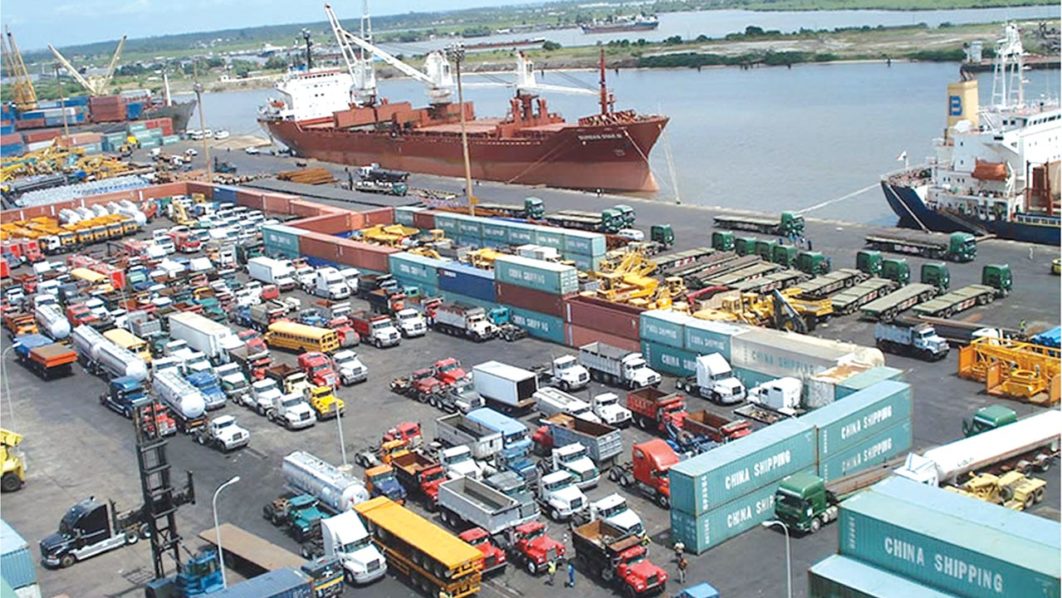

The Nigerian Ports Authority (NPA) has projected a fresh wave of maritime activity, with 36 vessels scheduled to arrive at key ports across the country between May 5 and May 10. The shipments, spanning petroleum products, food supplies, and general cargo, are set to berth at Apapa Port, Lekki Deep Sea Port, and Tin Can Island Port.
The expected arrivals underscore a steady recovery in port throughput, reflecting improved import flows and easing supply chain constraints that have periodically disrupted Nigeria’s trade ecosystem. Petroleum cargoes, which account for a significant portion of inbound shipments, remain critical to stabilizing domestic fuel availability in a market still reliant on imports despite ongoing refinery reforms.
Food imports are also prominent in the manifest, highlighting Nigeria’s continued dependence on external supply to bridge gaps in local agricultural production. Analysts say this trend reinforces structural challenges in food security, even as policymakers push for increased domestic output.General cargo shipments ranging from industrial equipment to consumer goods, signal broader commercial activity and may provide a near term boost to wholesale and retail sectors.
For businesses, increased port traffic typically translates into improved inventory levels and potentially moderated price pressures, particularly in urban consumption hubs.From a macroeconomic perspective, the uptick in vessel traffic aligns with recent signs of stabilization in Nigeria’s foreign exchange market and trade flows. Higher port activity can support customs revenue collection, a key fiscal component for the federal government, while also indicating resilient import demand amid currency volatility.
However, industry stakeholders caution that operational bottlenecks especially congestion at Apapa and Tin Can Island remain a risk. Delays in cargo clearance, infrastructure constraints, and logistics inefficiencies could dampen the potential gains from increased vessel traffic.The growing role of Lekki Deep Sea Port, Nigeria’s newest and most modern maritime facility, is also coming into sharper focus. Designed to handle larger vessels and reduce congestion at older ports, Lekki is gradually emerging as a strategic asset in Nigeria’s long-term trade infrastructure.
Looking ahead, sustained growth in port activity will depend on continued improvements in logistics efficiency, policy consistency, and infrastructure investment. For now, the arrival of 36 vessels offers a near term signal of momentum in Nigeria’s trade cycle. One closely watched by investors, importers, and policymakers alike.