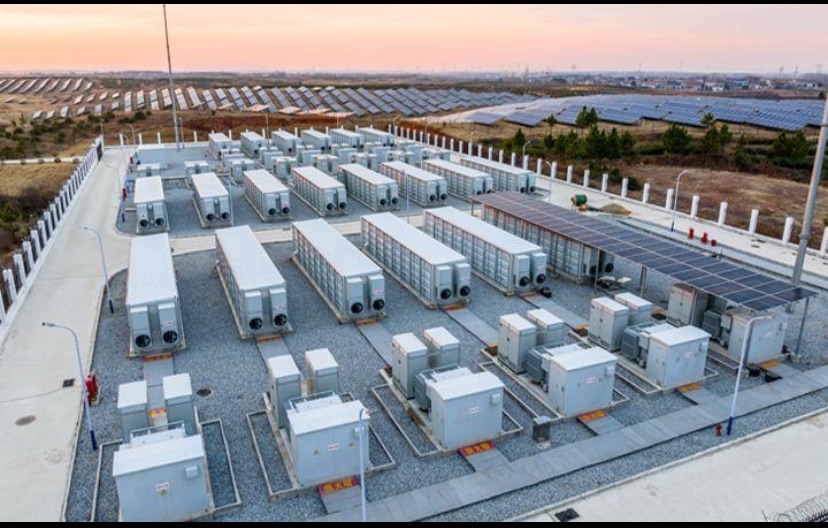

Nigeria has taken another step toward improving the reliability of its electricity supply as the Transmission Company of Nigeria (TCN), in partnership with the African Development Bank (AfDB), commenced a two-day workshop in Abuja focused on the adoption of Battery Energy Storage Systems (BESS).
The workshop aims to review and validate a comprehensive study covering the technical, policy, and regulatory requirements for integrating battery storage technology into Nigeria’s electricity grid. The initiative brings together regulators, power sector operators, engineers, and industry experts to examine the findings and ensure they reflect the realities of Nigeria’s power system.
Battery Energy Storage Systems are designed to store electricity and release it when needed, helping to stabilize power supply, reduce outages, and improve the efficiency of the electricity network. Experts believe the technology could play a major role in addressing many of the challenges facing Nigeria’s power sector.
Speaking at the opening session, TCN’s Managing Director and Chief Executive Officer, Dr. Sule Ahmed Abdulaziz, called on participants to thoroughly examine the study and provide practical recommendations. He stressed the importance of open discussions to ensure the final report delivers workable solutions for the country’s electricity industry.
Represented by TCN’s General Manager of Engineering, Mojeed Akintola, Abdulaziz described the AfDB-backed project as a timely intervention. According to him, as Nigeria continues to seek greater stability in electricity supply, battery storage technology offers an important opportunity to improve grid performance and resilience.
He noted that achieving a stable and reliable electricity system requires innovative solutions and long-term planning. He encouraged stakeholders to contribute technical expertise and policy insights that would help shape an effective implementation strategy.
The project’s lead consultant, Professor Tajudeen Humble Sikiru, highlighted the importance of the validation process. He explained that battery storage systems can help manage short-term power fluctuations, improve load balancing, and support frequency control within the national grid.
According to him, the recommendations emerging from the workshop could influence future government policies, regulatory reforms, and investment decisions in Nigeria’s energy sector.
Participants at the workshop include representatives from major power sector institutions such as the Nigerian Electricity Regulatory Commission (NERC), Nigerian Independent System Operator (NISO), Nigerian Electricity Management Services Agency (NEMSA), Rural Electrification Agency (REA), Bureau of Public Enterprises (BPE), and other industry stakeholders.
To encourage detailed analysis, attendees were divided into working groups tasked with reviewing different sections of the study. Discussions focused on identifying gaps, assessing assumptions, and recommending improvements that align with Nigeria’s operational realities.
Several participants emphasized the need for clear investment frameworks, stronger collaboration among electricity operators, and strict standards for battery storage procurement, testing, and safety. Others stressed the importance of integrating battery storage with renewable energy projects and creating market mechanisms that reward services such as frequency regulation and peak demand management.
TCN officials noted that battery storage should complement broader grid modernization efforts, including improved monitoring systems, upgraded infrastructure, and stronger operational procedures. Meanwhile, AfDB representatives reaffirmed their commitment to supporting energy projects that improve power system stability and efficiency across Africa.
The workshop is expected to conclude with a set of recommendations that will guide future policy reforms, pilot projects, and financing plans aimed at accelerating the deployment of battery storage technology in Nigeria’s electricity sector.