
Wednesday, July 15, 2026
  • Login
No Result
View All Result
The Business Times
  • News
  • BT Exclusive
  • Economy
  • Business
  • Financial Markets
  • Politics
  • Energy
  • Insights
  • Sports
  • News
  • BT Exclusive
  • Economy
  • Business
  • Financial Markets
  • Politics
  • Energy
  • Insights
  • Sports
No Result
View All Result
The Business Times
No Result
View All Result
Home Energy

Nigeria Power Crisis: 70% of Firms Rely on Generators, AfDB Warns

byStephen Abebor
May 31, 2026
in Energy
0
Nigeria Power Crisis: 70% of Firms Rely on Generators, AfDB Warns
11
VIEWS
Share on FacebookShare on Twitter

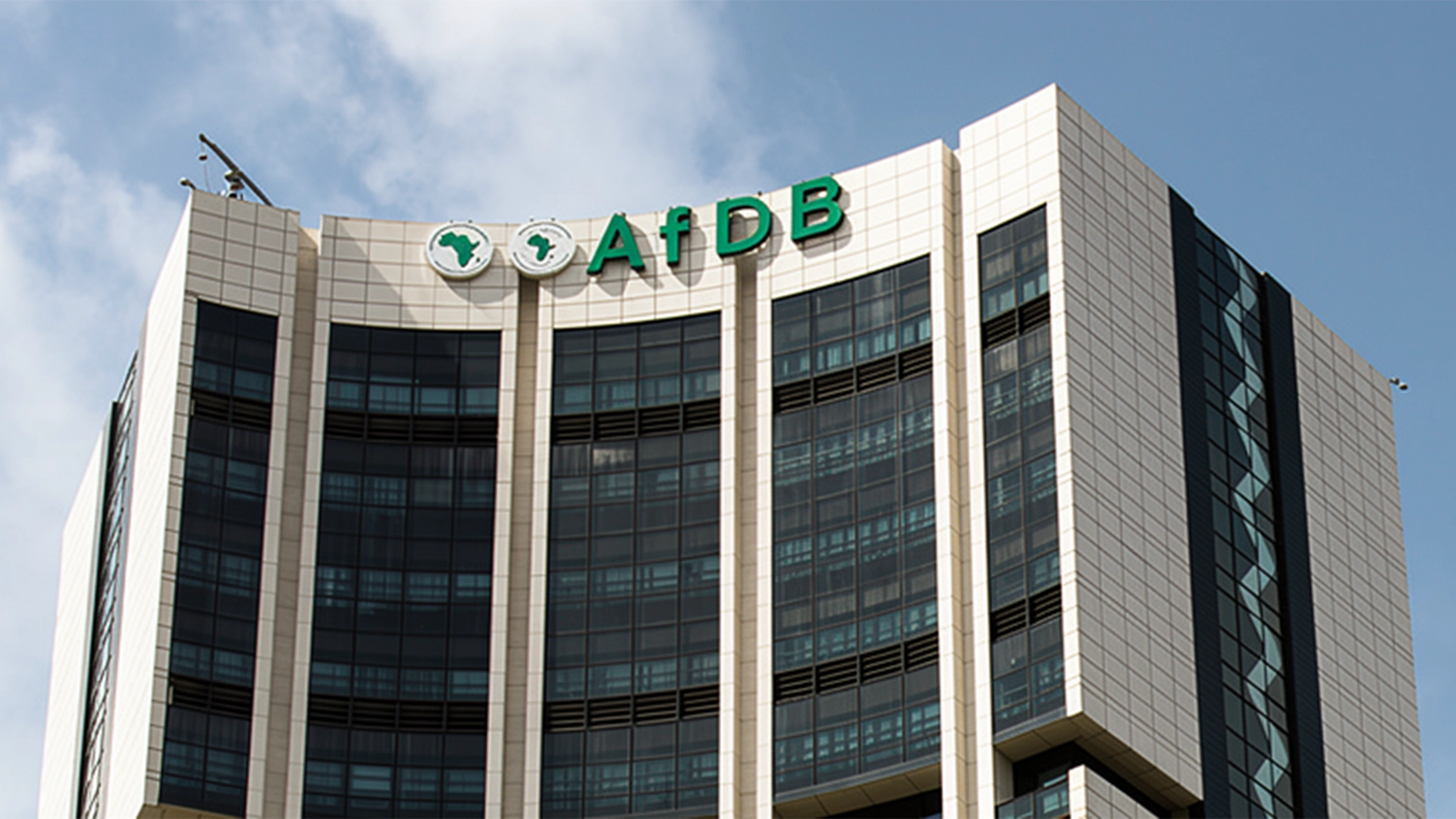
Nigeria’s chronic electricity shortage continues to impose heavy structural costs on its economy, with nearly 70% of businesses relying on self-generated power, according to the African Development Bank (African Development Bank). The finding underscores one of the country’s most persistent infrastructure failures and highlights how unreliable grid supply is reshaping corporate operating models.

Despite being Africa’s largest economy, Nigeria still struggles with an underperforming national grid that delivers inconsistent electricity to homes and industries. Frequent outages and low generation capacity have forced firms from small retailers to large manufacturers to depend on diesel and petrol generators as their primary or backup energy source.

Economists say this reliance has become a hidden tax on productivity. Generator power is significantly more expensive than grid electricity, with fuel costs, maintenance, and logistics eroding margins across sectors. For manufacturing firms in particular, energy expenses can account for a disproportionately high share of total operating costs, reducing competitiveness both locally and in export markets.

The AfDB warns that the situation is also discouraging investment. High energy uncertainty increases risk premiums for foreign and domestic investors, particularly in energy-intensive sectors such as cement, agro-processing, and textiles. Over time, this has contributed to deindustrialisation pressures, as some firms scale down or relocate production to more reliable power markets in West Africa and beyond.

Analysts note that Nigeria’s power challenge is not only about generation capacity but also transmission bottlenecks and distribution inefficiencies. Even when electricity is produced, significant losses occur before it reaches end users due to ageing infrastructure and technical constraints.

Policy responses have included partial privatisation of the power sector, tariff adjustments, and increased private investment in off-grid and renewable solutions. However, progress has been slow, and the generator economy remains deeply embedded in business operations.

The broader macroeconomic implication is clear: energy inefficiency continues to weigh on Nigeria’s growth potential. Until reliable grid power becomes widely available, businesses will remain locked into high-cost self-generation, limiting productivity gains and industrial expansion.

For policymakers, the AfDB’s assessment reinforces the urgency of structural reform in the power sector, not just to improve supply, but to restore confidence in Nigeria’s long-term industrial trajectory.

Tags: African Development Bankbusiness costs Nigeriadiesel generators Nigeriaenergy infrastructure Nigeriagenerator dependenceindustrial productivity AfricaManufacturing NigeriaNigeria EconomyNigeria electricity supplyNigeria power crisisoff-grid power nigeriapower sector reform Nigeria
Stephen Abebor

Stephen Abebor

Next Post
Rainoil Founder Gabriel Ogbechie Awards N50m Grants to 10 Startups

Rainoil Founder Gabriel Ogbechie Awards N50m Grants to 10 Startups

Leave a Reply Cancel reply

Your email address will not be published. Required fields are marked *

Recommended

CBN Revokes Two Mortgage Bank Licences as It Tightens Financial Sector Rules

CBN Moves to Remove Bottlenecks Holding Back Nigeria’s Fintech Sector

5 months ago
Nigeria ranked second-largest investment banking hub in SSA

Nigeria ranked second-largest investment banking hub in SSA

5 months ago

Popular News

  • Nigeria Inflation Eases to 15.91% in June as Food Prices Continue to Rise

    Nigeria Inflation Eases to 15.91% in June as Food Prices Continue to Rise

    0 shares
    Share 0 Tweet 0
  • Senate Approves N50 Million Support for Families of Teachers and Soldiers Killed in Oyo School Abduction

    0 shares
    Share 0 Tweet 0
  • NCAA bans pilot, suspends first officer over Asaba road-landing incident

    0 shares
    Share 0 Tweet 0
  • Nigeria Sets December 2028 Deadline for Final Analogue TV Switch-Off

    0 shares
    Share 0 Tweet 0
  • FG Plans to Raise N1.2 Trillion Through Fresh Bond Offer in July

    0 shares
    Share 0 Tweet 0

Connect with us

Facebook Twitter Instagram TikTok

Newsletter

Pages

  • About Page
  • Contact
  • Domestic Gas Sales Rise 30% as Nigeria’s Energy Reforms Gain Traction
  • Privacy Policy
  • Terms & Conditions

Navigation

  • News
  • BT Exclusive
  • Economy
  • Business
  • Financial Markets
  • Politics
  • Energy
  • Insights
  • Sports

© 2025 The Business Times NG .

Welcome Back!

OR

Login to your account below

Forgotten Password?

Retrieve your password

Please enter your username or email address to reset your password.

Log In
No Result
View All Result
  • Home
  • News
  • BT Exclusive
  • Economy
  • Business
  • Financial Markets
  • Politics
  • Energy
  • Insights
  • Sports

© 2025 The Business Times NG .