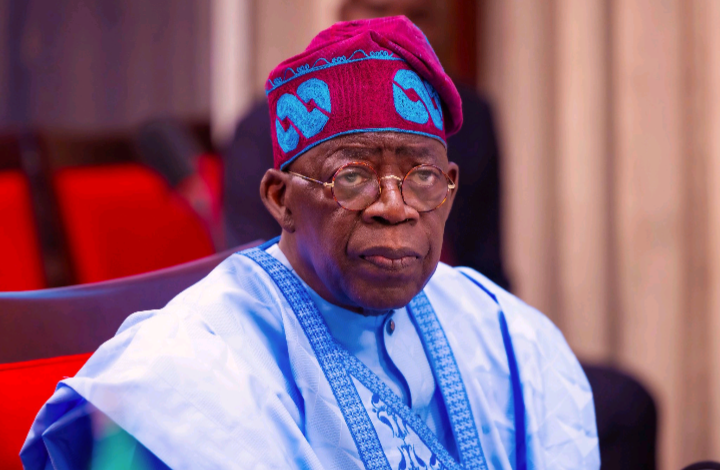

In a bold fiscal move, President Bola Ahmed Tinubu has formally requested that Nigeria’s National Assembly repeal and replace the 2024 and 2025 federal budgets and extend the current budget cycle to March 2026. This proposal is part of a broader effort to fix long-standing problems with overlapping financial plans and bring clarity to the nation’s budget calendar.
The president’s action stems from repeated extensions of previous budgets that have muddled government spending and complicated economic oversight. Rather than having separate budgets for different years running at the same time, a practice that lawmakers and economists say weakens accountability, Tinubu wants a clean reset that places both fiscal years under one consolidated framework.
In his letter to the House of Representatives and Senate, Tinubu asked that the Appropriation (Repeal and Re-enactment) Bill be passed quickly. If approved, this legislation would annul existing budget laws for 2024 and 2025 and re-enact them as a single spending authority running until March 31, 2026.
The president’s move targets the persistent overlap of federal budgets that has frustrated efficient planning. Under normal practice, a budget should run from January to December, but in recent years Nigeria has seen extensions of budget components well beyond their intended end dates. These extensions have often carried capital projects from one year into the next, blurring the lines of fiscal accountability.
For example, the capital portion of Nigeria’s 2024 budget was first extended to June 2025 and later to December 2025, even after a separate 2025 budget was already in force. The result has been simultaneous execution of multiple budgets, something almost unheard of in Nigerian fiscal history. Proponents of the reform argue that this complexity has delayed project execution, discouraged investor confidence, and made financial oversight more difficult.
Under the proposed consolidated budget, the federal government would be authorized to spend an estimated ₦43.56 trillion. This amount is to cover statutory transfers, debt service, recurrent (non-debt) expenditure, and capital projects within a single unified plan, rather than the fragmented approach currently in place.
President Tinubu and his economic team also argue the change will improve transparency and discipline in public finances. By eliminating overlapping budget cycles, they believe the government can better align its spending priorities with implementation timelines and legislative oversight.
However, not all public reactions have been positive. Some critics question whether extending the current budget period without clear execution reports weakens accountability further, while others worry that delays in publishing past budget performance results may complicate legislative scrutiny.
The budget overhaul aims to strengthen Nigeria’s fiscal discipline and reduce waste caused by prolonged overlapping budgets, which have blurred spending priorities and complicated revenue allocation. Economists say a reset could improve investor confidence, support clearer capital project execution, and help align fiscal planning with Nigeria’s broader economic goals.