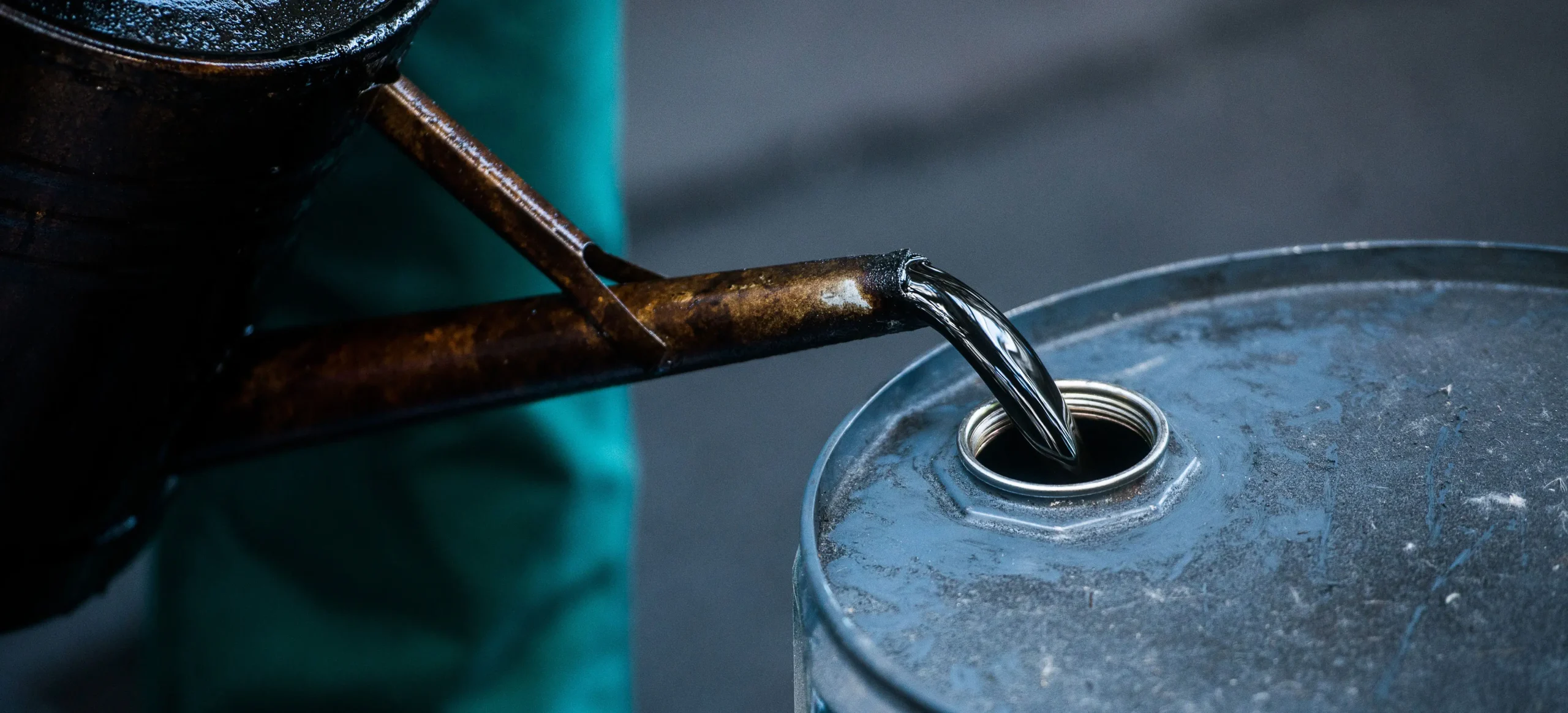

Nigeria’s crude oil production rose to its highest level in more than six years in June 2026, underscoring the impact of strengthened pipeline security measures in reversing years of output losses caused by oil theft and vandalism.
According to data released by the Nigerian Upstream Petroleum Regulatory Commission (NUPRC), the country’s average crude oil production reached 1.56 million barrels per day (bpd) in June, excluding condensates. The figure marks Nigeria’s strongest monthly crude output since 2020 and represents a significant recovery from production levels that fell below one million bpd in 2022 amid widespread pipeline sabotage and crude theft.
The rebound also enabled Nigeria to produce above its current OPEC production target for crude oil, reinforcing the country’s gradual recovery after years of missing its quota due to operational disruptions.
Government agencies have attributed the improvement largely to a revamped pipeline surveillance strategy designed to secure critical oil infrastructure across the Niger Delta. The Nigerian National Petroleum Company (NNPC) Limited and the NUPRC have repeatedly said the decline in pipeline vandalism has increased production uptime, reduced shutdowns and restored confidence among upstream operators.
Industry observers say the surveillance framework combines advanced technology, including drones, surveillance sensors and real-time monitoring, with intelligence gathered from host communities. Security contractors such as Tantita Security Services Nigeria Limited and Pipeline Infrastructure Nigeria Limited (PINL) have played prominent roles in protecting key pipeline corridors, helping to reduce illegal tapping and crude losses.
The production recovery carries significant implications for Nigeria’s economy. Higher crude output is expected to boost export earnings, improve foreign exchange inflows and strengthen government revenues at a time when authorities are seeking to narrow fiscal deficits and support economic growth. Oil remains Nigeria’s largest source of export earnings despite ongoing efforts to diversify the economy.
The security strategy has also received broad backing from industry stakeholders, lawmakers and several host communities, who argue that improved pipeline protection has contributed to greater operational stability across the oil-producing region.
However, some analysts caution that sustaining the gains will require continued investment in pipeline infrastructure, transparent management of security contracts and deeper engagement with host communities. They also note that long-term production growth will depend on fresh upstream investments, timely project execution and regulatory certainty under the Petroleum Industry Act.
With crude production showing sustained improvement, Nigeria is expected to continue working with OPEC+ while pursuing higher output levels to meet budget assumptions and maximize revenue from its hydrocarbon resources.