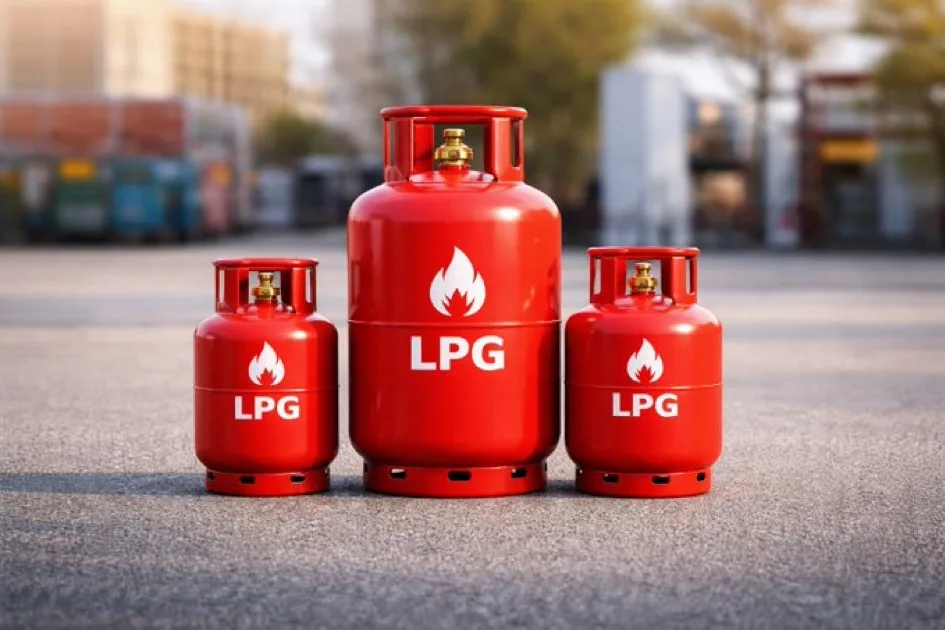

Nigeria’s cooking gas prices have fallen sharply in early July after surging in June, providing short-term relief for households grappling with high energy costs.
Retail prices in many cities have declined to between ₦1,100 and ₦1,500 per kilogramme from levels that exceeded ₦2,000 per kilogramme in some markets during June. Wholesale prices at several LPG depots have also dropped below ₦1,000 per kilogramme, reflecting improved domestic supply and stronger competition among suppliers.
Data presented by the Nigerian Midstream and Downstream Petroleum Regulatory Authority (NMDPRA) show that average daily LPG supply rose to about 5,040 metric tonnes in June from 4,262 metric tonnes in May. The regulator said national supply sufficiency also improved from 11 days to 22 days following engagements with producers, suppliers and terminal operators.
Despite the improvement, the regulator said domestic supply remains below demand. Between January and June 18, Nigeria supplied 565,106 metric tonnes of LPG against an estimated requirement of 657,072 metric tonnes, leaving a supply gap of 91,966 metric tonnes. To narrow the deficit, the NMDPRA said it would issue additional import permits, describing imports as the quickest short-term measure to improve market availability.
The authority also raised concerns over the limited supply of locally produced LPG to the domestic market. According to NMDPRA data, Chevron Nigeria Limited exported its reported LPG production of 148,222 metric tonnes between January and May 2026 without supplying volumes to the local market. The regulator said it would engage relevant government agencies and producers to increase domestic allocations.
Beyond supply constraints, the NMDPRA identified inadequate storage capacity, transportation bottlenecks and weak distribution infrastructure as key factors keeping consumer prices elevated. These challenges increase logistics costs and slow the transmission of lower wholesale prices to retail consumers.
To improve market stability, the Federal Government has directed stricter market surveillance, stronger enforcement against product diversion and anti-competitive practices, expansion of storage and distribution infrastructure, and enhanced product-tracking systems across the LPG value chain.
The government also expects major gas infrastructure projects, including the Ajaokuta-Kaduna-Kano (AKK) Gas Pipeline, the OB3 River Niger Crossing and the ELPS Midline Compressor, to strengthen Nigeria’s broader domestic gas network once completed.
While the recent decline in cooking gas prices offers relief to consumers, sustained price stability will depend on higher domestic supply, improved distribution infrastructure and greater availability of locally produced LPG in the Nigerian market.