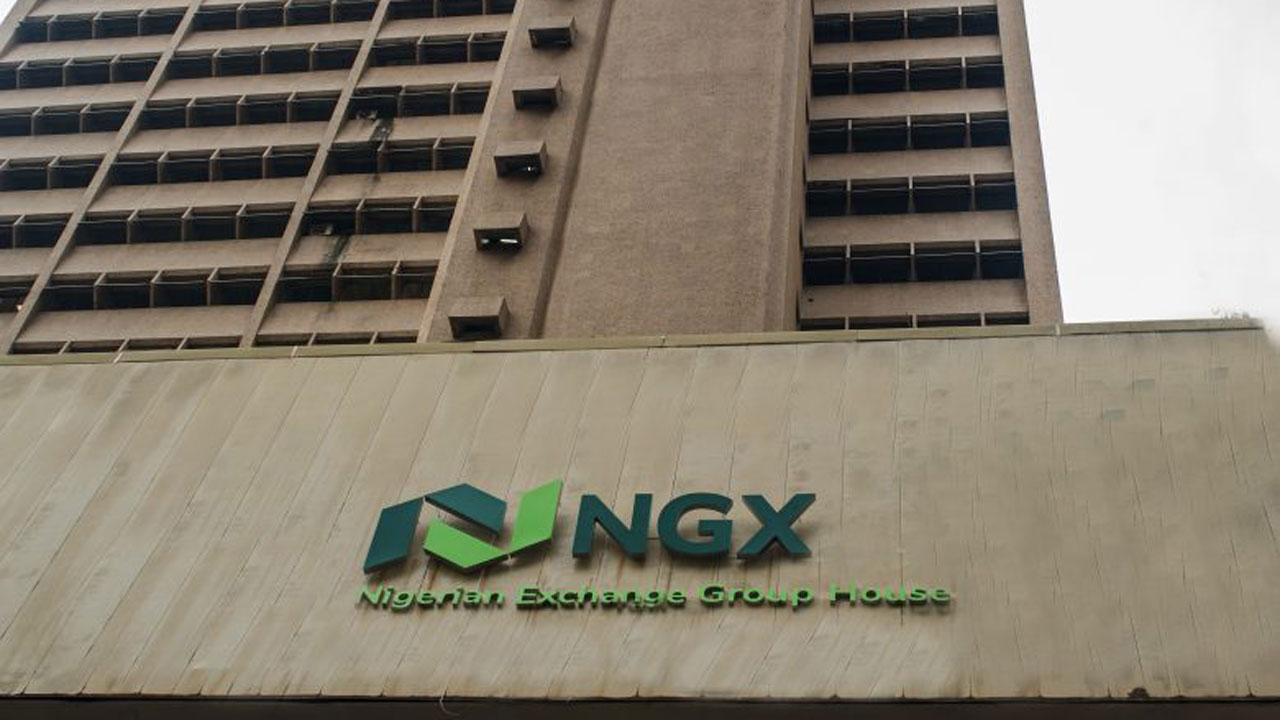

Nigerian Exchange Group is intensifying efforts to broaden retail participation in Nigeria’s capital market through a new digital investor engagement initiative designed to improve financial literacy, accessibility, and long-term market confidence.
The initiative reflects the exchange operator’s broader strategy to deepen domestic participation in equity trading at a time when policymakers and market stakeholders are seeking to expand financial inclusion and reduce the market’s dependence on institutional and foreign portfolio investors.
NGX Group said the programme will leverage digital platforms, educational campaigns, and interactive investment tools to help retail investors better understand equities, fixed income instruments, exchange-traded products, and broader wealth creation opportunities within the Nigerian capital market.
The move comes amid growing recognition that Nigeria’s retail investor base remains underdeveloped despite increasing smartphone penetration, rising digital banking adoption, and expanding interest in personal finance among younger demographics.
Market analysts say improving investor education is critical to strengthening liquidity and stability in the local bourse. Retail investors often provide consistent market activity during periods of foreign capital volatility, helping to cushion trading volumes and support price discovery.
The initiative is also expected to support the exchange’s long-term ambition of increasing market participation beyond major urban centres. By deploying digital-first engagement channels, NGX Group aims to reach younger investors and underserved communities that historically lacked access to traditional brokerage and investment advisory services.
Executives within the Nigerian capital market ecosystem have repeatedly stressed that financial literacy remains one of the biggest barriers to wider participation in equities and wealth-building instruments. Limited understanding of risk management, portfolio diversification, and long-term investing continues to discourage many potential retail participants.
Industry observers note that stronger retail engagement could provide meaningful support for Nigeria’s broader economic development objectives. Increased domestic investment participation can improve capital formation, support corporate fundraising activity, and enhance the efficiency of the country’s financial markets.
The initiative also aligns with ongoing reforms across Nigeria’s financial services sector aimed at accelerating digital transformation and improving inclusion. Commercial banks, fintech firms, and asset managers have increasingly introduced mobile-based investment products tailored to younger and first-time investors.
For NGX Group, the retail education campaign represents both a market development strategy and a competitive positioning effort as exchanges globally seek to modernise investor engagement models through technology-driven solutions.
Analysts say the success of the programme will likely depend on execution, investor trust, regulatory coordination, and the ability to translate educational outreach into sustained retail trading activity over the medium term.
As Nigeria’s capital market evolves, deeper retail participation is expected to remain central to efforts aimed at improving resilience, boosting liquidity, and unlocking broader economic value from the country’s financial system.