
The International Energy Agency (IEA) has raised concerns over the fast decline in global oil inventories as supply disruptions in the Middle East continue to affect the global energy market.
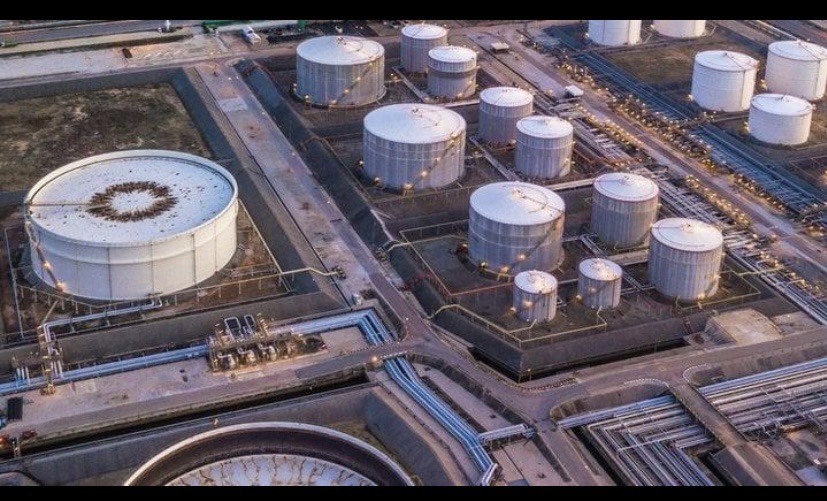
According to the agency, commercial oil stockpiles around the world are falling quickly despite efforts by several governments to release emergency oil reserves to stabilize supply and ease pressure on fuel prices.
The warning comes at a critical period when demand for fuel is expected to rise sharply due to the summer travel season across Europe, North America, and other parts of the northern hemisphere. Airlines have already warned that jet fuel shortages could become a serious issue in the coming weeks if the current supply challenges continue.
Speaking ahead of the G7 finance ministers’ meeting in Paris on Monday, IEA Executive Director Fatih Birol said global oil reserves are being used up at a very fast rate.
Birol explained that although some backup reserves are still available, the pace at which inventories are declining is becoming worrying. He stressed that the world still has a few weeks before the situation becomes more critical, but governments and energy stakeholders must pay close attention because the available reserves are not unlimited.
The current supply pressure is largely linked to rising tensions in the Middle East, especially around the Strait of Hormuz, one of the world’s most important oil shipping routes. The disruption of tanker movements through the region has slowed the flow of crude oil and gas to international markets, leading to increased uncertainty and higher energy prices globally.
The IEA noted that many member countries have been forced to tap into both their commercial oil inventories and strategic petroleum reserves at what it described as a record pace. These emergency measures are aimed at reducing the impact of supply shortages while diplomatic talks continue to prevent the conflict from worsening.
Global energy analysts say the situation is creating fresh uncertainty in the oil market. There are growing fears that any further disruption in the Middle East could trigger additional supply shocks, push crude oil prices even higher, and increase transportation and production costs worldwide.
Higher fuel prices may also contribute to inflation in many economies, as businesses could face rising operating expenses. Consumers may eventually feel the effects through more expensive transportation, goods, and travel costs.
Several countries are now closely monitoring the situation as global leaders continue discussions aimed at easing tensions and restoring stability to energy supply chains.
Experts believe that if the disruptions persist for a longer period, governments may need to consider additional emergency measures to avoid major shortages during the peak demand season.