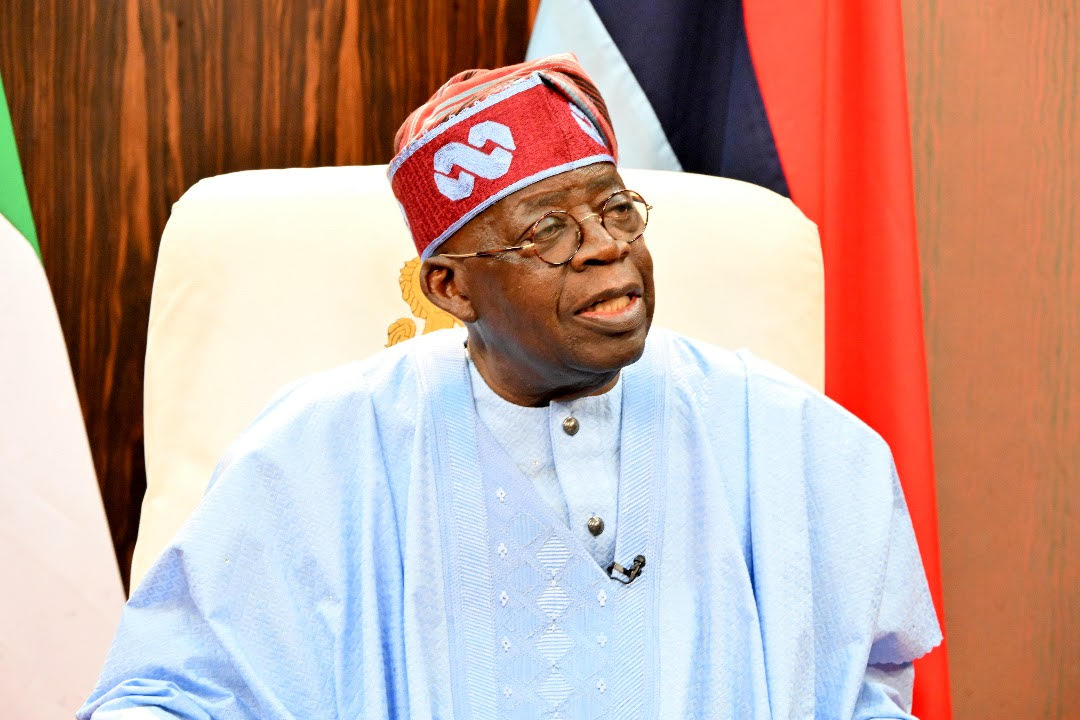

The Nigerian Defence Headquarters has confirmed that a number of military officers implicated in a suspected plot to overthrow President Bola Tinubu will face judicial panels under military law, following a comprehensive investigation into the matter.
In a statement released, Defence Headquarters spokesperson Brigadier General Samaila Uba explained that the inquiry was disciplinary in nature and conducted in strict accordance with established military procedures, aimed at ensuring fairness, transparency, and accountability. “The investigation has been concluded, and officers with cases to answer will now be formally arraigned under the provisions of the Armed Forces Act,” Brigadier General Uba said, emphasising the need to maintain professionalism and discipline within the ranks.
The alleged plot first came to public attention in October last year when Premium Times reported that 16 officers had been arrested over suspicions of planning a coup. Of those detained, 14 were serving in the Nigerian Army, one in the Navy, and one in the Air Force. At the time, the military described the probe in more general terms, citing “indiscipline and breach of service regulations” as the reason for the detentions, leaving the public to speculate about the severity and nature of the allegations.
Further reports indicated that, in addition to the military personnel, a number of civilians were also briefly held for questioning as part of the ongoing investigation. While the authorities have not disclosed the identities of all those involved, the Defence Headquarters has now clarified that the investigation revealed a subset of officers “with allegations of plotting to overthrow the government.” Such actions, the statement noted, are “wholly inconsistent with the values, ethics, and professional standards expected of members of the Armed Forces.”
The announcement underscores the government’s insistence on maintaining strict discipline within the military, particularly in an environment where national security challenges are already significant. Analysts have described the swift and thorough nature of the investigation as part of broader efforts to reinforce operational effectiveness and ensure that the military remains fully aligned with the civilian leadership.
Military judicial panels, which will oversee the trials, are empowered to adjudicate cases of misconduct under the Armed Forces Act. These proceedings, while internal to the military, carry significant consequences, ranging from formal reprimands and dismissal from service to criminal prosecution, depending on the findings. The Defence Headquarters emphasised that all proceedings will adhere to legal standards and due process, highlighting the importance of transparency even in matters involving national security.
Observers note that the case represents one of the more high-profile disciplinary actions within the Nigerian military in recent years. Coups and coup attempts, although rare in contemporary Nigeria, have historically had profound implications for governance and stability, and the authorities appear determined to send a clear message that any attempt to subvert constitutional order will be met with strict enforcement measures.
Brigadier General Uba also reiterated that the military remains committed to safeguarding Nigeria’s democracy and protecting the nation’s institutions. “Our officers are expected to uphold the law, respect civilian authority, and conduct themselves in a manner befitting the honour of the Nigerian Armed Forces,” he said.
As the arraignment process begins, attention will now turn to how the proceedings unfold and whether additional names emerge in connection with the alleged plot. Analysts expect the trials to be closely watched by both domestic and international observers, given their implications for civil-military relations in Nigeria and the broader security environment in West Africa.
The Defence Headquarters’ statement comes amid ongoing security challenges across the country, including insurgency in the northeast, banditry in the northwest, and separatist tensions in the southeast. Maintaining the cohesion and professionalism of the Armed Forces is widely seen as crucial to addressing these threats effectively.
For now, the focus is on ensuring that those officers with cases to answer are held accountable in line with the law, reinforcing the principle that the Nigerian military operates under civilian control and that breaches of loyalty or conduct will not be tolerated.