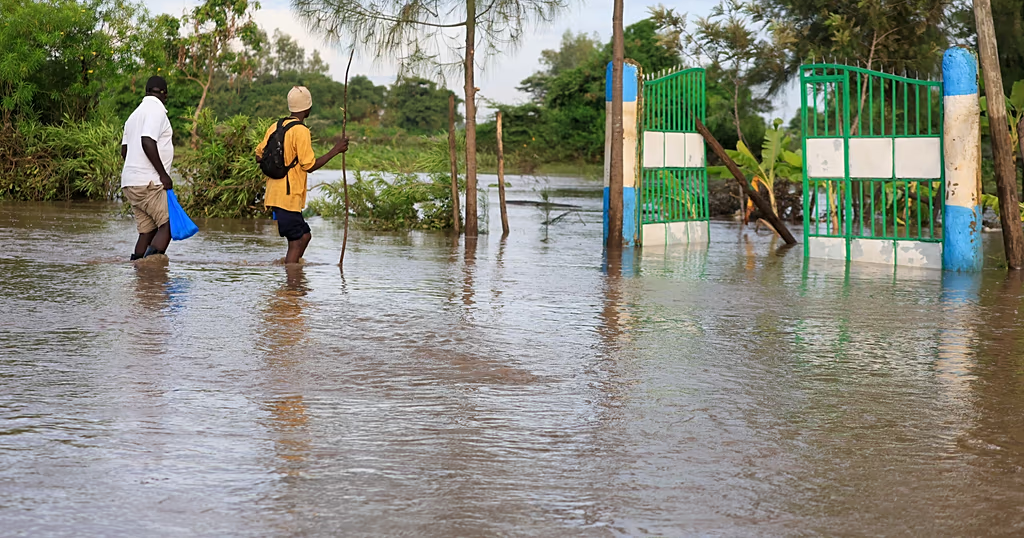

The death toll from the catastrophic flooding in Kenya has risen to at least 108 people, according to an updated report from the National Police Service on March 28, 2026. Since the onset of heavy rains on March 6, flash floods have devastated the East African nation, displacing over 2,700 families and causing widespread destruction of critical infrastructure. Key transport corridors have been cut off, air travel has been disrupted, and several power stations have been submerged, leading to prolonged blackouts. For the Kenyan economy, the scale of this disaster represents a major setback to agricultural productivity and regional logistics, as the waterlogged ground continues to heighten the risk of further landslides and structural collapses.
The economic impact of the floods is particularly severe for the agricultural sector, which remains the backbone of the Kenyan economy. Thousands of hectares of farmland have been inundated, raising immediate concerns about food security and a spike in commodity prices. From a business journalism perspective, the destruction of power and transport infrastructure also undermines Kenya’s position as a regional trade hub. The high cost of emergency response and subsequent reconstruction will likely strain the national budget, potentially diverting funds from long-term development projects. The persistent risk from waterlogged drainage systems emphasizes the urgent need for a national audit of disaster preparedness and climate-resilient urban planning.
The current crisis has renewed debates over the adequacy of Kenya’s flood management systems and its reliance on ageing colonial-era infrastructure. As emergency teams remain on high alert for possible new evacuations, the focus must shift from immediate humanitarian aid to the long-term fortifying of the nation’s natural and built environments. For the Kenyan government, integrating climate adaptation strategies into national policy is no longer an option but a necessity for survival. Protecting the nation’s human and physical capital from such extreme weather events is fundamental to maintaining macroeconomic stability and achieving the sustainable development goals outlined in the country’s Vision 2030.