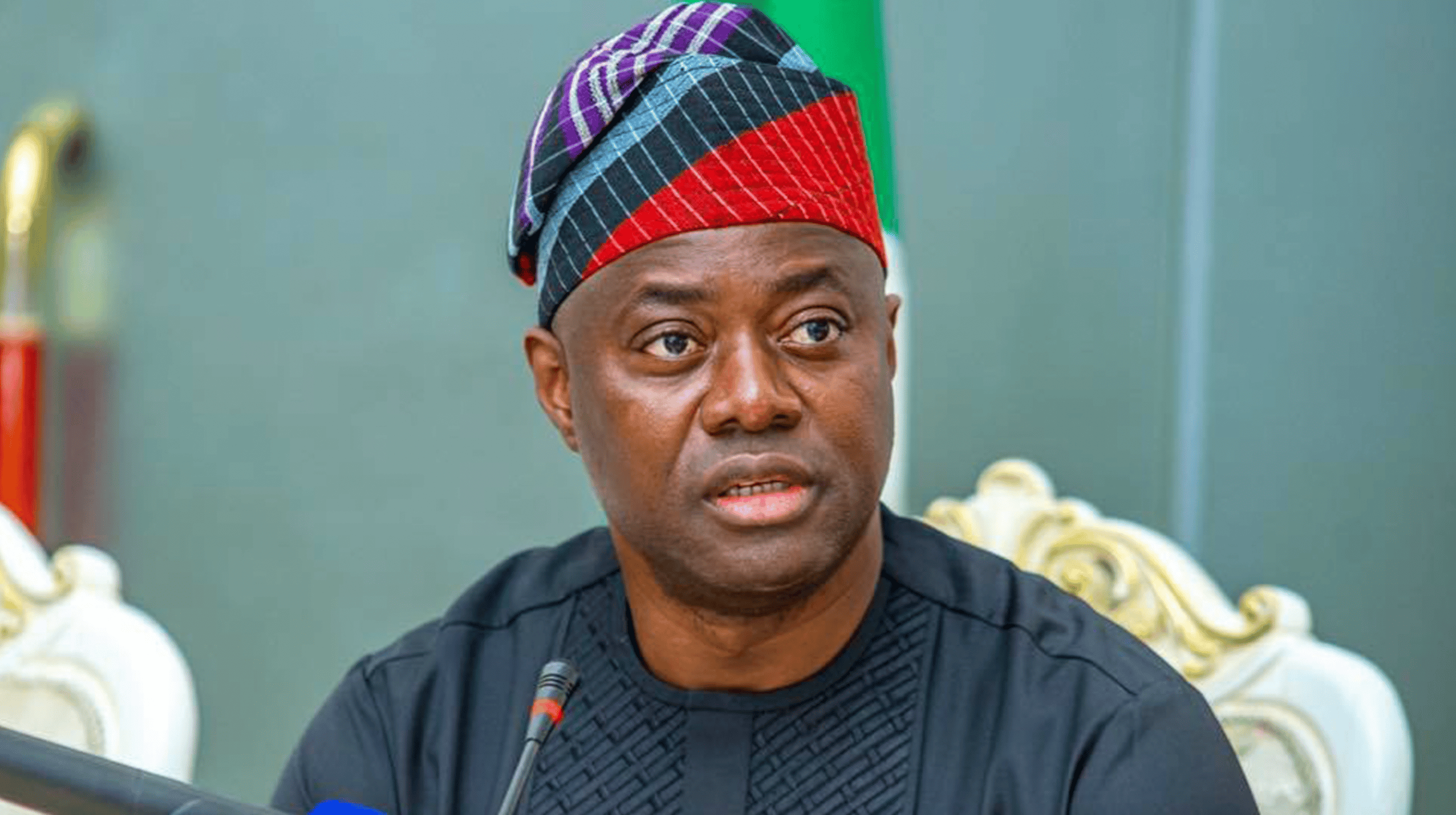

Oyo State Governor and Allied Peoples Movement (APM) presidential candidate Seyi Makinde has rejected any return to Nigeria’s former fuel subsidy regime, proposing instead that crude supplied to domestic refineries be priced in a way that allows Nigerians to benefit from the country’s status as an oil producer.
Makinde made the proposal on Monday, September 7, 2026, while speaking at the commissioning of the Makinde-Daura 2027 presidential campaign office in Wuse II, Abuja. He said his position was not to restore the old subsidy system but to change the way crude supplied to Nigerian refineries is priced.
“If Nigeria produces crude oil, why should crude oil supplied to Nigerian refineries be priced as though Nigeria does not produce crude oil?” Makinde asked, according to a report by The PUNCH on Monday, September 7, 2026.
He argued that the benefit of Nigeria’s oil resources should be built into the petroleum system from the beginning, through the price at which crude is supplied for domestic refining, rather than through what he described as an opaque intervention at the petrol pump.
Makinde also called for full transparency across the petroleum value chain. He said Nigerians should be able to see the components used to determine petrol prices, including the crude oil benchmark, refining costs and margins, exchange-rate assumptions, transportation and distribution costs, taxes and retail margins.
The governor further rejected the argument that Nigerians should pay more for petrol to make fuel smuggling into neighbouring countries less profitable. He said the cost of securing Nigeria’s borders should not be transferred to consumers through higher pump prices.
Makinde’s latest position builds on an argument he first outlined in his September 2026 edition of The Business of Governance newsletter, published on his official website on September 4, 2026. In that newsletter, he said the fuel-subsidy debate was asking the wrong question and that Nigeria should instead determine the right petroleum-pricing framework for an oil-producing country.
He said the pricing assumptions should be publicly accessible so Nigerians can understand what they are paying for and compare the existing system with alternatives.
The proposal comes as fuel pricing remains a major economic and political issue ahead of the 2027 presidential election, following the removal of petrol subsidy by President Bola Tinubu in May 2023.
Makinde said his fuller alternative to the existing petroleum-pricing framework would be unveiled in the coming weeks under his “Reset Nigeria” agenda. The details of how the proposed domestic crude pricing system would affect refinery economics, government revenue and pump prices are yet to be released.