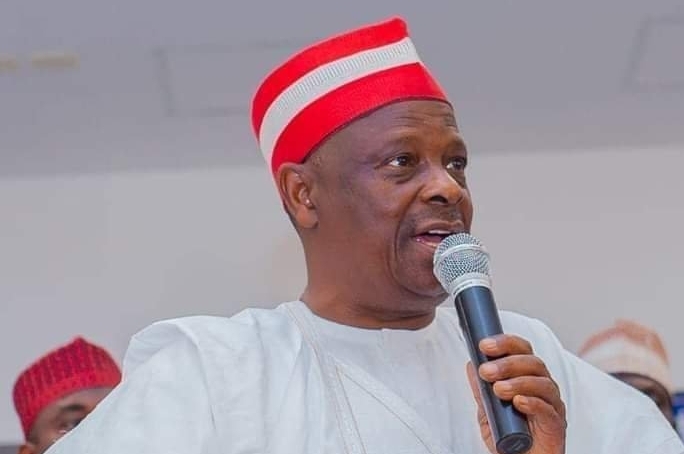

Former Kano State Governor, Rabiu Musa Kwankwaso, has issued a stark warning that Nigeria is facing a dangerous and spreading crisis of insecurity, urging the Federal Government to take immediate and decisive action.
In a statement shared on X, the leader of the New Nigeria People’s Party (NNPP) insisted that the situation has deteriorated to a level that exposes “deepening vulnerabilities” in the nation’s counter-terrorism and internal security apparatus.
Kwankwaso cited several alarming incidents, including the recent kidnapping of 25 schoolgirls in Kebbi State, calling it a “distressing reminder” of previous mass abductions. He also condemned the killing of Brigadier-General M. Uba by terrorists in Borno State, describing the loss of the high-ranking officer as a “shocking intelligence and operational failure” that demands an immediate, thorough investigation.
The former defence minister further pointed to fresh mass kidnappings in Zamfara State and noted that the violence is no longer restricted to traditional flashpoints. He highlighted a spike in attacks in Shanono and Ghari local areas of Kano State, showing that insecurity is now creeping into previously stable zones. While he commended the Kano State Government for its local response, he stressed that such efforts require “stronger federal backing.”
The Economic Toll
Beyond the immediate threat to life, economic experts and Kwankwaso’s warning underscore a severe impact on the nation’s economy. Analysts have consistently pointed out that pervasive insecurity significantly retards economic growth.
The violence has particularly crippled the agricultural sector, especially in the North, where farmers are often either unable to access their land for fear of bandit attacks or are forced to pay illegal levies to armed groups. This leads directly to reduced food production, driving up food inflation, which is a primary component of Nigeria’s soaring cost of living.
Furthermore, the environment of fear and instability scares off foreign direct investment (FDI). When investors view a region as too risky, they withhold capital, stifling job creation and technological transfer. According to economic reports, pervasive insecurity is now a leading driver of multidimensional poverty in Nigeria, disrupting trade, destroying infrastructure, and diverting government revenue from development projects to emergency security operations.
Kwankwaso’s appeal is therefore as much an economic plea as a security one. He called for a renewed, significant investment in the armed forces and a broader strengthening of the Nigeria Police Force, arguing that frontline units are “overstretched and lacked the tools, intelligence support and mobility” needed to protect citizens and restore the vital public confidence necessary for commerce to thrive.
The NNPP leader warned that if the Federal Government fails to fulfil its primary responsibility of protecting its people, the failures will deepen public distrust and worsen the “humanitarian toll” on vulnerable communities across the country.