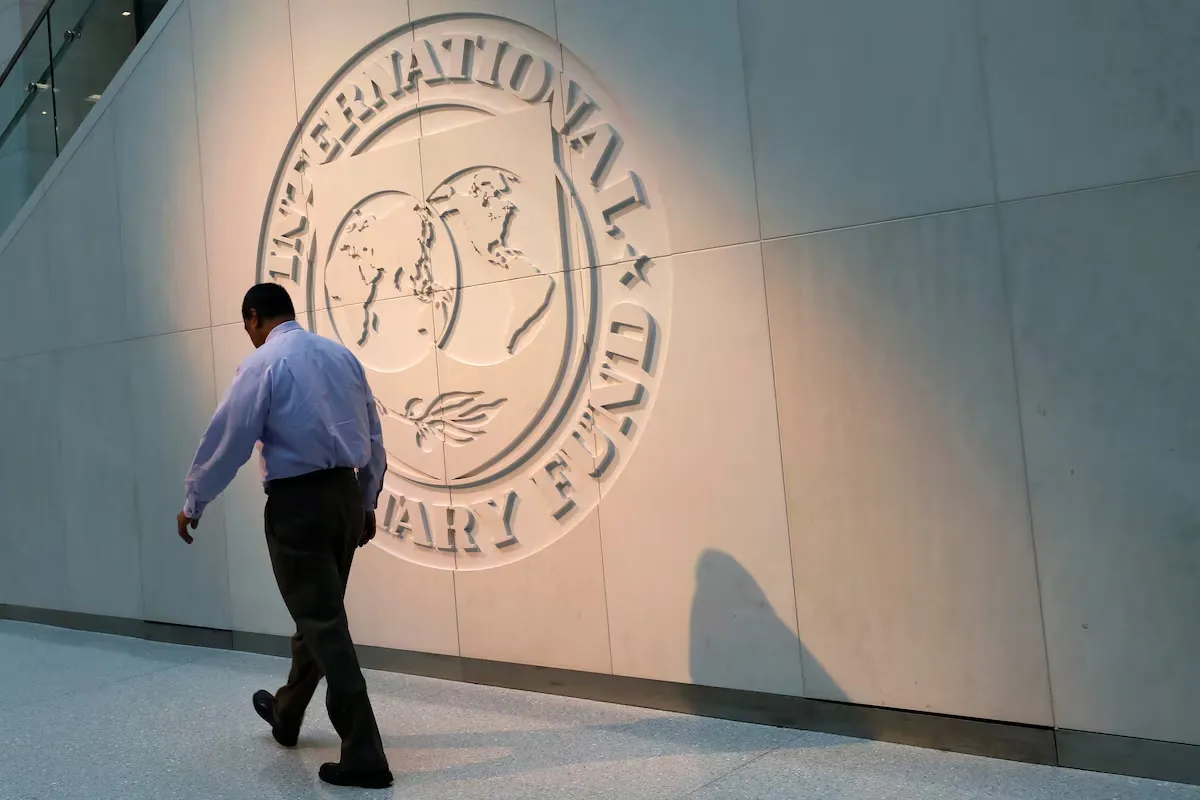

Côte d’Ivoire has reached a staff-level agreement with the International Monetary Fund after the sixth review of its economic reform programme, paving the way for a possible $843.9 million disbursement. The funds, pending approval by the IMF Executive Board, include support under the Extended Fund Facility, Extended Credit Facility, and Resilience and Sustainability Facility. The IMF praised Côte d’Ivoire’s economic performance, describing its progress as “remarkable.”
The country reduced its budget deficit to 3 per cent of GDP in 2025, meeting regional targets set by the West African Economic and Monetary Union. It also advanced reforms in tax collection, public finance management, and governance while strengthening efforts against money laundering and terrorism financing. Economic growth is projected at 6 per cent in 2026, supported by strong exports, especially crude oil and gold. Authorities also plan climate-focused reforms, including carbon taxation and insurance against climate-related risks.
From an economic perspective, Côte d’Ivoire’s performance stands out in a region where many countries are struggling with debt, inflation, and security challenges. The country has maintained high growth rates for over a decade, driven by investment in infrastructure, agriculture (cocoa and cashew), and a dynamic services sector. The fiscal deficit reduction to 3 per cent demonstrates commitment to WAEMU convergence criteria, which is critical for the stability of the CFA franc.
The IMF disbursement will provide additional fiscal space for priority spending, including education, health, and infrastructure. The climate-focused components of the programme recognise Côte d’Ivoire’s vulnerability to extreme weather events, which affect cocoa production, the backbone of its economy. The government’s ability to sustain reforms, maintain political stability, and diversify exports will determine whether the projected 6 per cent growth is achievable. For investors, Côte d’Ivoire remains one of Africa’s most attractive destinations, with a relatively predictable policy environment and strong economic fundamentals.