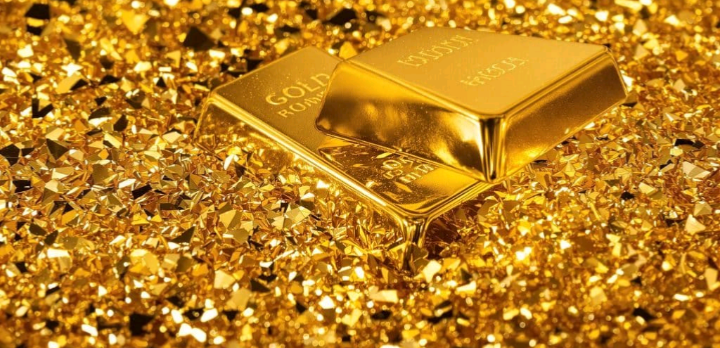

Gold prices have climbed back above the $5,000 per ounce mark, marking a firm recovery after a turbulent stretch in the precious metals market. This rebound follows a period of unusually large price swings and triggered buying from investors who view lower prices as an opportunity to re‑enter the market. The recovery highlights a core dynamic of market behaviour: traders step in when selling overshoots and prices reach levels perceived as oversold.
Global data from Monday show that spot gold rose up to 1.7 per cent in early trading, lifting prices back above the symbolic $5,000 threshold after a recent sharp downturn. The rebound has erased a significant portion of last week’s losses and underscores the resilience of bullion despite heightened volatility.
The recent rebound has multiple drivers. Investors responded to a pronounced sell‑off at the end of last month that pushed gold sharply lower from its all‑time high. That sell‑off prompted bargain‑seeking buyers to step back into the market as prices dipped, a pattern often seen after extreme moves. This renewed interest helped stabilise the price and restore part of the metal’s value.
Support for the rebound has not been limited to speculative buying alone. Broader macroeconomic conditions have also lent strength. Geopolitical tensions and concerns about global financial stability continue to underpin demand for hard assets like gold. Central bank purchases remain a steady factor in long‑term demand, especially from major holders who view gold as a hedge against currency risk and inflation.
Analysts point out that the behaviour of gold in recent sessions will be important in assessing whether the market is simply reacting to short‑term swings or embarking on a more sustained uptrend. Maintaining levels above $5,000 could signal that the rebound has enough momentum to persist and attract additional investment flows.
Other elements in the market narrative include developments in foreign exchange conditions and policy expectations. Movements in key currencies and monetary policy signals influence the relative attractiveness of gold. For example, when the dollar weakens, gold often becomes more appealing as an alternative store of value.
Despite the gains, the market remains conditioned by recent turbulence. Prices last week were about 11 per cent below record highs established at the end of January, even after the rebound. This pullback highlights the extent of recent volatility and reminds traders that sharp reversals can occur quickly in commodity markets.
In addition to gold, silver has also shown signs of recovery, rising alongside gold as investor interest returned. However, silver’s recovery remains more volatile because of its dual role in industrial demand and investment.
Looking ahead, market participants will monitor key economic data releases and policy actions for indications of how central banks might adjust interest rates or other monetary tools. These factors could influence the trajectory of gold prices later this quarter.
In summary, gold’s recovery above $5,000 reflects a combination of reactive buying after a sharp sell‑off and underlying demand from investors seeking a reliable store of value amid ongoing economic uncertainties.