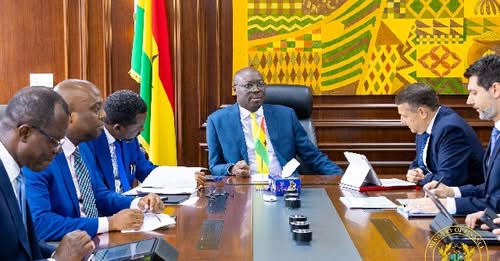

Ghana’s Finance Minister Cassiel Ato Forson has described the country’s programme with the International Monetary Fund as a success, pointing to improved economic stability and renewed investor confidence. Speaking at the start of the sixth review of Ghana’s Extended Credit Facility in Accra, Forson said the country has made notable progress since the 2022 economic crisis, attributing the recovery to tough policy choices and close collaboration with the IMF.
However, he warned that youth unemployment remains a key concern, noting that failure to create jobs could put pressure on the economy. He said the government’s next priority is to translate recent gains into broader opportunities. New reform measures will be introduced before the IMF review concludes, focusing on fiscal discipline, policy credibility, and investment growth, while sustaining momentum toward long‑term economic stability.
Ghana emerged from its debt restructuring programme in 2025, with improved access to international capital markets and a stabilised cedi. Inflation, which peaked above 50 percent in late 2022, has fallen to single digits, and GDP growth has recovered to pre‑crisis levels. These achievements have restored investor confidence, reflected in renewed interest in Ghanaian eurobonds and increased foreign portfolio inflows. The IMF’s continued engagement provides a policy anchor that limits the risk of backsliding.
The youth unemployment challenge, if unaddressed, could undermine these gains. Ghana has one of Africa’s youngest populations, with youth unemployment rates exceeding 15 percent. Without sustained job creation, social pressures could lead to fiscal populism or policy reversals that destabilise the recovery. Forson’s warning suggests that the government recognises this vulnerability and intends to embed job‑creation measures into the next phase of reforms. Investors will watch whether these measures include targeted support for agribusiness, technology start‑ups, and light manufacturing.