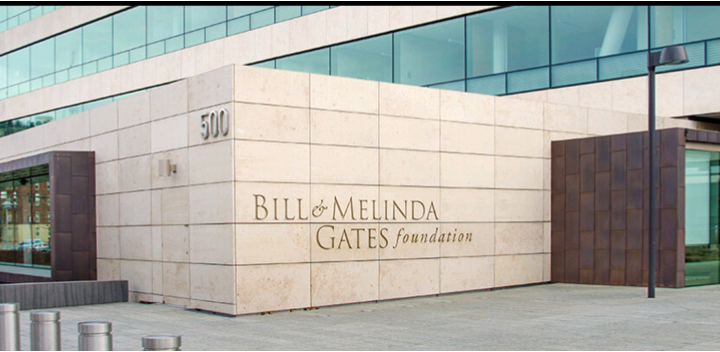

The Bill & Melinda Gates Foundation has announced a historic increase in its annual budget, setting aside $9 billion for 2026; its largest yearly payout ever as it accelerates efforts to tackle global health and development challenges ahead of its planned closure in 2045.
The move reflects a clear shift in strategy. With the foundation’s end date now fixed, leadership is prioritizing immediate impact over long-term preservation, pushing more resources into grants and global initiatives while reducing internal spending.
The foundation said the expanded budget will focus on core areas that have long defined its mission: healthcare, education, and poverty reduction, with an emphasis on preventing deaths from avoidable causes, strengthening disease prevention systems, and expanding economic opportunities in developing regions.
A key part of the strategy is ensuring that “every dollar as possible flows toward impact,” according to the foundation’s leadership. To support that goal, the organization has capped its operating costs at roughly 14% of the total budget, meaning that about $1.25 billion will cover administrative costs such as staff salaries, office expenses, and infrastructure.
This cost-control approach is tied to a larger plan to reduce staff by up to 500 positions by 2030, allowing the foundation to direct more money toward grants and programs rather than internal operations. The foundation has framed the cuts as necessary to ensure resources are maximized for global impact.
The $9 billion budget also underscores the foundation’s long-term commitment to its 2045 closure plan, which was first confirmed by Bill Gates in earlier statements. Since its founding in 2000, the foundation has already distributed more than $100 billion in grants. With the new spending strategy, it expects to distribute an additional $200 billion over the next two decades.
The decision comes at a time when global crises such as climate change, infectious disease outbreaks, and rising inequality have increased the need for large-scale philanthropic intervention. Many experts believe the foundation’s increased spending will strengthen global systems and accelerate progress toward long-term development goals.
The foundation’s leadership described the 2045 closure as a defining factor in its strategy, saying “the foundation’s 2045 closure deadline gives us a once-in-a-generation opportunity…” to maximize its impact in a time-limited window. By increasing annual payouts now, the foundation aims to ensure its mission is fulfilled while it still has the resources and momentum to drive change.
The $9 billion budget is also expected to reshape how major philanthropic organizations operate, with the Gates Foundation setting a precedent for more aggressive, time-sensitive spending rather than indefinite endowment growth. This approach may influence other global funders and institutions to adopt similar models focused on rapid results and measurable outcomes.
As the foundation moves forward, analysts say the key challenge will be ensuring that increased funding is effectively deployed and reaches the communities that need it most. With global needs intensifying, the Gates Foundation’s new budget could become a defining force in international development for years to come.