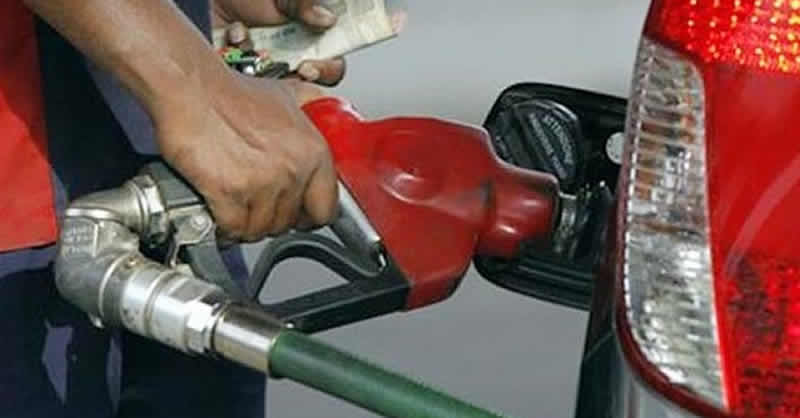

Nigerians woke up on Tuesday October 7 to yet another painful rise in fuel prices, with petrol now selling above ₦900 per litre at most filling stations in the capital, intensifying public frustration over the country’s deepening cost-of-living crisis.
Across major outlets operated by the Nigerian National Petroleum Company Limited (NNPCL) and independent marketers including Empire Energy, AA Rano, and Shema, prices ranged between ₦905 and ₦945 per litre. Empire’s Gwarimpa outlet posted the highest rate, while MRS, Emedeb, Raniol, and Eterna sold between ₦885 and ₦910.
The increase follows weeks of intermittent shortages in Lagos and Abuja. Analysts and traders say the disruptions stemmed from a two-day strike by the Petroleum and Natural Gas Senior Staff Association of Nigeria (PENGASSAN), which briefly stalled supply chains and fueled panic buying in the downstream market.
Marketers Blame Supply Disruptions and Panic Buying
Abubakar Maigandi, President of the Independent Petroleum Marketers Association of Nigeria (IPMAN), said the price spike was mainly driven by short-term supply gaps and speculative hoarding linked to the recent labour dispute between Dangote Refinery and PENGASSAN.
“Our members who get supplies directly from Dangote Refinery are still selling between ₦885 and ₦895 per litre,” Maigandi explained. “The scarcity was largely a result of panic buying, but we expect prices to stabilize soon.”
IPMAN’s national spokesperson, Chinedu Ukadike, confirmed that depot prices in Lagos have inched up to between ₦844 and ₦850 per litre depending on suppliers. He cited figures of ₦844 at Dangote Refinery, ₦845 at Raniol and Aiteo, and ₦850 at NIPCO depots.
Ukadike added that the impact on pump prices was more severe in inland cities like Abuja, where transportation costs typically push retail prices higher.
Dangote–PENGASSAN Tensions Ease, but Fallout Lingers
The spike in prices came just days after Dangote Refinery and PENGASSAN reached a truce to end an industrial dispute that had disrupted fuel loading. The strike, which began over alleged unfair dismissal of Nigerian workers at the refinery, was suspended after government mediation led to an agreement for both parties to resolve the matter amicably.
Dangote Refinery later thanked President Bola Tinubu and labour leaders for their “swift intervention,” calling the resolution a “commitment to national stability.”
However, tensions resurfaced when Vice President Kashim Shettima, speaking at the 31st Nigerian Economic Summit, criticized the union’s actions, saying “Nigeria is bigger than PENGASSAN.” The union’s president, Festus Osifo, swiftly replied that “Nigeria is also bigger than the Dangote Refinery and the presidency.”
For now, motorists are bearing the brunt of the fallout — paying higher prices as the industry grapples with labour unrest, fragile logistics, and the ripple effects of market liberalization. Whether pump prices will ease in the coming days remains uncertain, but frustration on the streets is growing as fast as the queues.