



The Federal Government has announced that Nigeria has successfully overcome the most difficult stage of its ongoing economic reforms and is now moving toward a more stable economy. According to the government, the tough decisions taken over the past year have helped prevent a major financial crisis and placed the country on a stronger economic path.
The announcement was made during the Nigeria Employers’ Summit 2026 held in Abuja. The event was organised by the Nigeria Employers’ Consultative Association (NECA) and brought together government officials, business leaders, and economic experts to discuss the future of Nigeria’s economy.
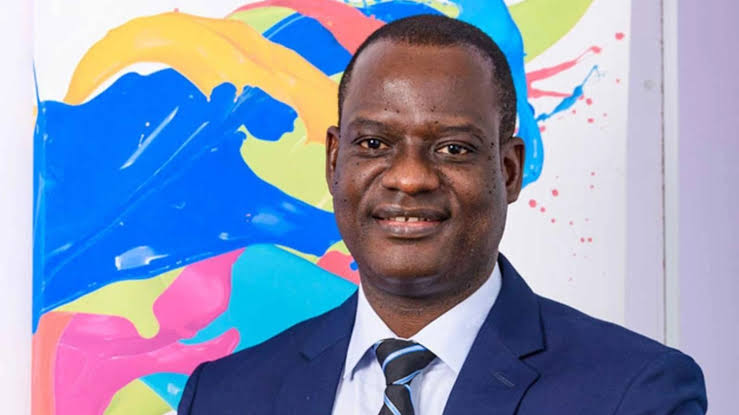
Speaking at the summit, the Minister of Finance and Coordinating Minister of the Economy, Taiwo Oyedele, said the reforms introduced by President Bola Tinubu’s administration were necessary, even though they caused temporary hardship for many Nigerians. He explained that the country was facing serious financial problems before the reforms began.
According to Oyedele, Nigeria’s economy had become unsustainable because a large portion of the country’s oil earnings was being spent on fuel subsidies. At the same time, much of the revenue generated outside the oil sector was used to repay debts. This left very little money available for important projects such as roads, schools, hospitals, and other public services.
He stressed that the government had no choice but to introduce difficult economic policies to avoid a complete financial collapse.
“The reforms were necessary to save the economy,” Oyedele said, adding that the next priority is to strengthen the gains already achieved and create lasting economic growth that will improve the lives of Nigerians.
The minister admitted that many citizens and businesses experienced hardship as a result of the reforms. However, he believes the worst period of economic instability has passed and that Nigeria is now in a better position to attract foreign investors and encourage long-term development.
Oyedele also addressed concerns about the country’s rising debt. He argued that government borrowing should not always be seen as a negative action. According to him, responsible borrowing can be an important tool for funding development projects and supporting economic growth when properly managed.
He explained that many people compare government borrowing to personal debt, but the two are different because governments often borrow to finance projects that can generate future economic benefits.
The finance minister also highlighted recent tax reforms aimed at protecting low-income earners and small businesses. He said the changes were designed to reduce the financial burden on vulnerable Nigerians while ensuring that wealthier individuals and larger companies contribute more to funding public services and national development.
Despite the government’s positive assessment, business leaders and economic experts at the summit urged authorities to ensure that improvements in economic indicators quickly translate into real benefits for ordinary Nigerians. They called for lower business operating costs, better infrastructure, improved electricity supply, and reduced living expenses.
The Chief Executive Officer of the Centre for the Promotion of Private Enterprise, Dr. Muda Yusuf, along with representatives of the Nigerian Economic Summit Group and the National Health Insurance Authority, encouraged the government to increase investment in infrastructure and strengthen healthcare financing to support sustainable economic growth.
In his closing remarks, Oyedele called on Nigerians to remain patient and united as the country continues its economic recovery. He urged the public to recognise the progress already made while acknowledging that more work is still needed.
According to the minister, Nigeria has recorded improvements in fiscal management, debt sustainability, investor confidence, and overall economic stability. He expressed confidence that continued reforms and cooperation between the government and private sector would help build a stronger economy and create better opportunities for businesses and citizens in the years ahead.


