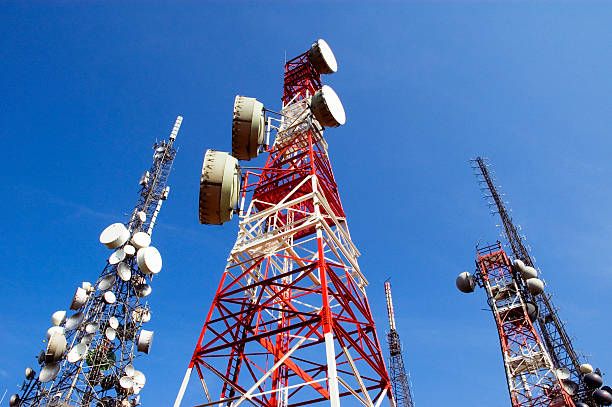

The Federal Government plans to deploy 3,700 telecommunications towers across Nigeria to provide network access to nearly 20 million people living in underserved and unconnected communities.
Bosun Tijani, Minister of Communications, Innovation and Digital Economy, announced the initiative on Friday during the commissioning of its first site in Amaeke, Bende Local Government Area of Abia State. The project, known as the Nigeria Universal Communication Access Project (NUCAP), aims to extend mobile connectivity to communities where limited telecommunications infrastructure has left residents without reliable network services.
Tijani said more sites would be launched across the country in the coming weeks and months. He noted that poor connectivity prevents residents from accessing essential services and limits economic activities.
“Imagine going a whole day without a phone signal. You cannot call your family, you can’t receive a payment, and if someone needs urgent help, you cannot make that call,” he said.
The minister said farmers, traders and small business owners were among those affected, as unreliable networks make it harder to reach customers, receive payments and access market information.
“Think about a farmer who needs to find a buyer, that trader waiting for payment, the mother trying to reach a health worker,” Tijani said.
He explained that expanding telecommunications infrastructure was necessary to bring more Nigerians into the digital economy and support President Bola Tinubu’s ambition to grow the economy to $1 trillion.
“President Bola Ahmed Tinubu ambition for a $1 trillion economy requires every Nigerian to have the opportunity to contribute and share in its prosperity. That is why this investment matters,” he said.
Tijani also urged communities without network coverage to submit their locations to the ministry for consideration in future deployment plans. The project is expected to improve access to digital financial services, online education, healthcare information and other services that depend on mobile connectivity. However, the benefits will depend on how quickly the towers are installed and whether they deliver reliable coverage. Affordable data and access to suitable devices will also determine how many residents can use the expanded network.
The government’s target of 3,700 towers represents an effort to close Nigeria’s connectivity gap, particularly in communities where poor network access continues to limit communication and economic opportunities.