

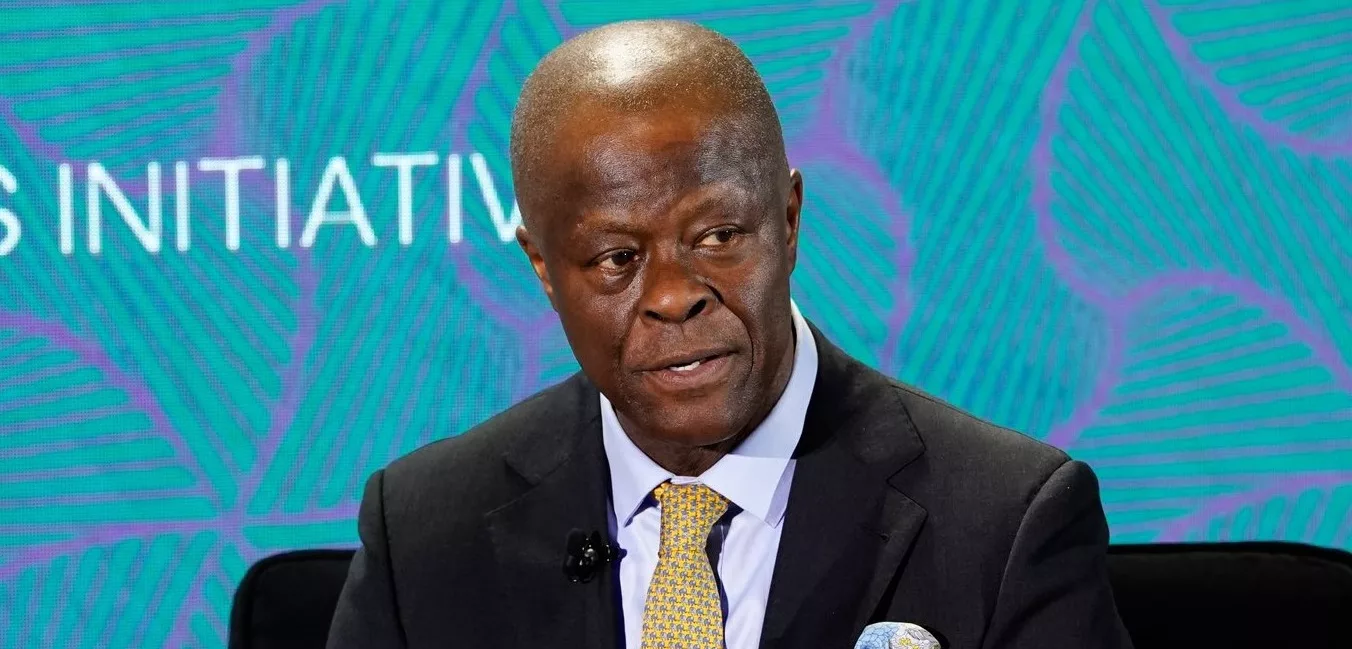
Nigeria’s Federal Government has vowed to recover every naira still held outside the Treasury Single Account (TSA) and the Central Bank of Nigeria (CBN), as part of a drive to strengthen fiscal discipline and transparency. Speaking on Monday during a dinner on Fiscal Policy at the 31st Nigerian Economic Summit in Abuja, Finance Minister Wale Edun said that despite longstanding directives, substantial government funds remain outside the TSA, limiting oversight and constraining effective public financial management.
“It is our determination to make sure we bring in every single penny,” Edun said, emphasising that enforcement, consensus, and the strategic use of technology are central to the effort. He described the initiative as a cornerstone of President Bola Tinubu’s three-phase reform agenda – stabilisation, recovery, and growth, which aims to correct longstanding distortions in public finance while promoting macroeconomic stability.
A central component of the reform is a new centralised billing system, operational since 1 October. The system allows for real-time reconciliation of payments, addressing a historical challenge in tracking government revenue. Edun explained: “Before now, if you paid part of your bill, there was no way to reconcile it. Now, if you pay 20 out of 100, the system tracks the 80 receivable. That’s the difference technology can make.”
Until August 2024, the Federal Government lacked full visibility of its accounts at the CBN, a gap Edun said severely hindered planning and monitoring. The lack of financial oversight has historically slowed reforms, making it difficult to implement credible fiscal policies. With real-time access now possible, the administration expects faster decision-making, reduced leakages, and stronger accountability.
Edun also highlighted the social dimension of fiscal reforms. Direct cash transfers have been deployed to cushion vulnerable households from the short-term impact of policy adjustments, with 8.1 million of a targeted 15 million households already receiving verified payments. Each beneficiary is biometrically verified and paid digitally, reflecting the government’s commitment to precision and transparency in welfare delivery.
On the broader economic front, Edun stressed that the Tinubu administration’s market-oriented reforms, including the unification of exchange rates and the removal of petrol subsidies, have begun to stabilise the macroeconomic environment. Inflation is easing, industrial growth has surpassed 7 per cent, agricultural output is rising, and the naira has held relatively steady. Nevertheless, he cautioned that inflation remains elevated at around 20 per cent, and additional fiscal and monetary measures will be required to keep it in check.
The finance minister also pointed to reforms in government expenditure, noting a renewed focus on capital projects and reducing wasteful spending. He revealed ongoing consultations with the National Assembly to restore the January–December budget cycle, a move aimed at improving budget discipline and preventing the dislocations caused by extending budgets into the following year.
Experts say these measures could reshape Nigeria’s fiscal landscape. By centralising cash flows through the TSA and employing technology for real-time tracking, the government gains unprecedented visibility into public finances, potentially reducing leakages that have long undermined policy effectiveness. Improved financial oversight also strengthens investor confidence, signalling a shift toward accountability and transparency in a system historically beset by inefficiencies.
For citizens and businesses, the reforms could translate into more predictable revenue collection, better-funded social programmes, and a fiscal environment that supports growth. If fully implemented, the administration’s strategy could mark a turning point for Nigeria, converting decades of fragmented financial management into a streamlined, digitally monitored system capable of supporting both macroeconomic stability and inclusive growth.