
The Federal Competition and Consumer Protection Commission (FCCPC) has thrown its support behind new electricity reforms introduced by the Lagos State Electricity Regulatory Commission (LASERC), especially efforts aimed at ending estimated billing and improving transparency in the power sector.
The reforms were highlighted in the 2025 Lagos Electricity Market Report released by LASERC. The report supports stricter enforcement of laws against electricity supply without meters and promotes the gradual introduction of smart meters across Lagos State.
LASERC said the reforms are designed to protect electricity consumers, improve service delivery, and strengthen the overall performance of the electricity market in Lagos. Part of the plan includes compulsory metering beginning in phases from 2026, feeder-by-feeder installation of smart meters, closer monitoring of electricity distribution companies, stronger complaint resolution systems, and penalties for operators who fail to meet required standards.
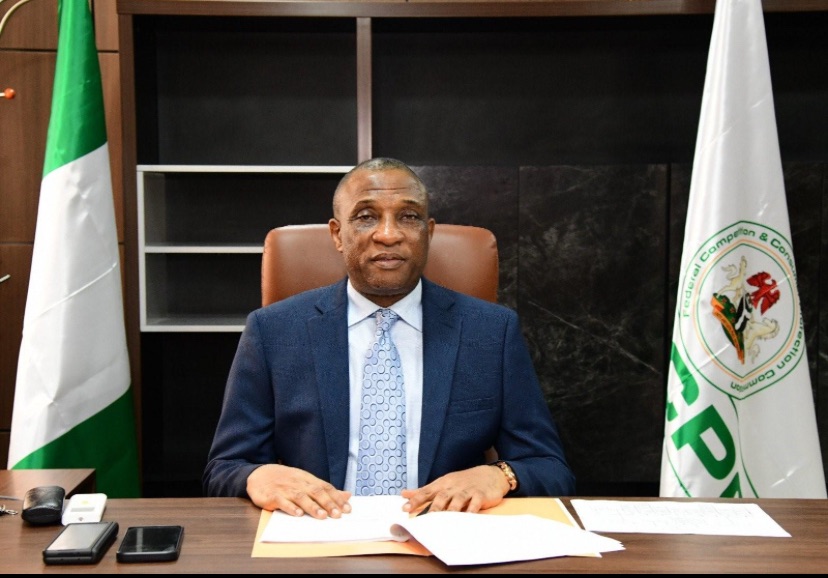
Executive Vice Chairman and Chief Executive Officer of the FCCPC, Tunji Bello, described the reforms as an important move toward creating fairness and transparency in electricity billing.
According to him, estimated billing has remained one of the biggest complaints among electricity consumers in Nigeria. He explained that many households and businesses are often charged without accurate records of their actual power consumption, leading to disputes and frustration.
Bello stated that increasing access to meters would help solve these issues by ensuring customers only pay for the electricity they use. He added that proper metering would also improve accountability within the electricity sector and rebuild public trust in power distribution companies.
He further explained that consumers deserve protection from unfair billing practices, especially in situations where electricity usage cannot be correctly measured. Accurate metering, he said, would reduce conflicts between consumers and electricity providers while improving confidence in the system.
The FCCPC boss also encouraged other states and electricity regulators across Nigeria to introduce similar consumer-focused reforms. He said states implementing electricity market changes should prioritise transparent billing systems, effective customer complaint mechanisms, and clear service delivery standards.
According to Bello, Lagos has taken a major step in promoting accountability and protecting electricity consumers. He noted that similar reforms in other parts of the country could help improve service quality and reduce the long-standing problems linked to estimated billing.
The Commission also urged electricity distribution companies and other stakeholders in the power sector to cooperate fully with the metering programme and other consumer protection measures introduced by regulators.
In addition, the FCCPC referred to findings in the LASERC report showing persistent service delivery challenges, poor complaint resolution processes, and electricity supply issues affecting residents and businesses in Lagos. The Commission said these findings highlight the urgent need for stronger consumer protection policies, continued infrastructure investment, and better service standards across the sector.
The FCCPC reaffirmed its commitment to supporting reforms that encourage fairness, accountability, transparency, and improved service delivery in Nigeria’s electricity industry through continued collaboration with regulators and industry stakeholders.