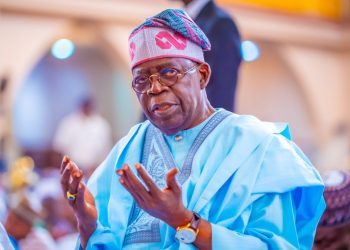

Mr. Tony Elumelu, Chairman of Heirs Holdings, met with President Bola Tinubu in Abuja this week to assess recent economic developments. The focus of their discussion included the foreign exchange market, monetary policy, small business support and infrastructure constraints facing the economy. Elumelu’s assessment was firm and data-driven, highlighting structural shifts in market behaviour and implications for planning.
He stated that the foreign exchange market has entered a new phase of operational calm. According to his review, the dynamics that once dominated corporate concerns have changed markedly, with business demand easing and pricing expectations more predictable. “I told someone, I said there was a time before if I got 10 calls on banking issues, seven of those calls were about how to access foreign exchange. Today, if you get 10 calls on banking issues, not even one is on FX, that market is totally sorted.”
Elumelu linked this shift directly to current policy direction. He noted that the unity of exchange market practices and the policy signals from the Central Bank of Nigeria (CBN) have helped reduce speculative pressure. He described the return to predictability and stability as a necessary condition for sound investment decisions and long-term business planning. “If you see what the Central Bank Governor and his team are doing, it’s quite encouraging; we’ve had some predictability and stability.”
This assessment is significant because it contrasts with earlier years when foreign exchange shortages and multiple pricing bands constrained commercial activity and distorted strategic decision-making. Elumelu’s position is that a market perceived to be sitting on stable footing will reduce operational risk for firms and broaden access to imports and capital transactions that depend on reliable currency availability.
In parallel with the foreign exchange discussion, Elumelu and President Tinubu explored policies targeting entrepreneurship and small businesses. He said they examined ways to strengthen support for small and medium scale enterprises (SMEs) through tax reforms and development finance mechanisms. The objective of these measures is to expand growth opportunities for domestic enterprises and improve the business ecosystem for young and emerging firms.
Elumelu also underscored the importance of development finance institutions in enabling enterprise growth. He noted that the Bank of Industry’s enhanced engagement with SMEs could provide additional credit and scale available capital infrastructure for firms across Nigeria.
Despite the positive commentary on macroeconomic conditions, Elumelu maintained that structural constraints remain, especially in the power sector. He reiterated that improving electricity supply is critical to growth and productivity. He urged the federal government to expedite the settlement of outstanding debts owed to power generators to unlock capacity and improve national energy output.
This emphasis reflects a wider analytical view that currency stability alone cannot drive growth if other fundamental inputs to production remain weak. Elumelu’s assessment indicates that while market predictability has improved, sustained economic expansion will require parallel investments in infrastructure and targeted reforms that support both formal and informal sectors.
In closing, Elumelu praised the administration’s reform agenda and noted that improved predictability in monetary and exchange rate policy is a step in the right direction. He said these conditions lay a stronger platform for both local and foreign investment, provided that complementary policy actions in power, taxation and enterprise financing are fully and consistently implemented.